Why Your Cat Doesn't Drink Enough Water — and It's Not the Bowl's Fault
We assume a thirsty cat drinks. But cats are descended from desert predators that got most of their water from prey, which left them with a famously weak thirst drive — a cat can be dehydrated and not feel much urge to fix it. And that quiet dehydration is the engine behind the two biggest killers of house cats.
October 27, 2026 · 6 min read · 868 words
There's a quiet assumption we make about cats, and it's costing them years. We assume that when a cat is thirsty, it drinks — that a full, clean bowl of water is a solved problem. But cats don't work like we do. They're descended from desert predators that got almost all their water from the animals they ate, and millions of years of that left them with a famously weak thirst drive. A cat can be measurably dehydrated and not feel strongly compelled to fix it. By the time a cat bothers to drink, it's usually already behind.
And that matters more than most owners realize, because chronic, low-level dehydration isn't a minor quirk. It's the quiet engine behind the two most common killers of house cats — kidney disease and urinary tract problems. The bowl of water you refill every day might be doing almost nothing, and the reason has very little to do with how clean it is.
Why "Plenty of Fresh Water" Isn't Enough
The first thing to understand is that a cat's relationship with water is almost the opposite of a dog's. A dog laps up whatever's in front of it. A cat is a careful, suspicious drinker, and a list of invisible factors decide whether it drinks at all.
Still water is the big one. In the wild, running water means fresh and safe; still water is where things rot and predators linger. A cat's instincts still read a motionless bowl as faintly untrustworthy, which is why so many cats ignore a full bowl and suddenly appear the moment a tap is dripping. Then there's whisker fatigue — a narrow, deep bowl presses against a cat's sensitive whiskers with every sip, which is uncomfortable enough that many cats just... stop. Add in placement problems (most cats won't drink next to their food or their litter box, for the same instinctive reasons they won't drink still water) and you have a full, clean bowl that a cat has quietly decided to avoid.
So when an owner says "my cat never drinks," it's usually not that the cat doesn't need water. It's that the water has been offered in a way the cat's instincts reject.
What Dehydration Actually Does
Here's the honest, unglamorous part, and it's why this matters more than "my cat is a little picky."
A cat's kidneys are built to conserve water extremely well — a legacy of that desert ancestry. The trade-off is that when a cat runs chronically short on water, its urine becomes concentrated, and concentrated urine is where the trouble starts. Crystals and stones can form. In male cats especially, those can block the narrow urethra — and a blocked cat is a medical emergency that can kill within a day or two. Over the years, the same low-grade dehydration wears on the kidneys themselves, and kidney failure is the single most common cause of death in older cats.
None of this happens in a dramatic, obvious way. It's slow, silent, and cumulative — a cat that's been slightly dehydrated for years, until one day it isn't fine anymore. That's why the goal isn't to get your cat to "drink more when it's thirsty." It's to make drinking effortless enough that the cat never gets behind in the first place.
How to Get a Reluctant Cat to Drink
The good news is that the fixes map directly onto the instincts that cause the problem — you're not fighting the cat, you're working with it.
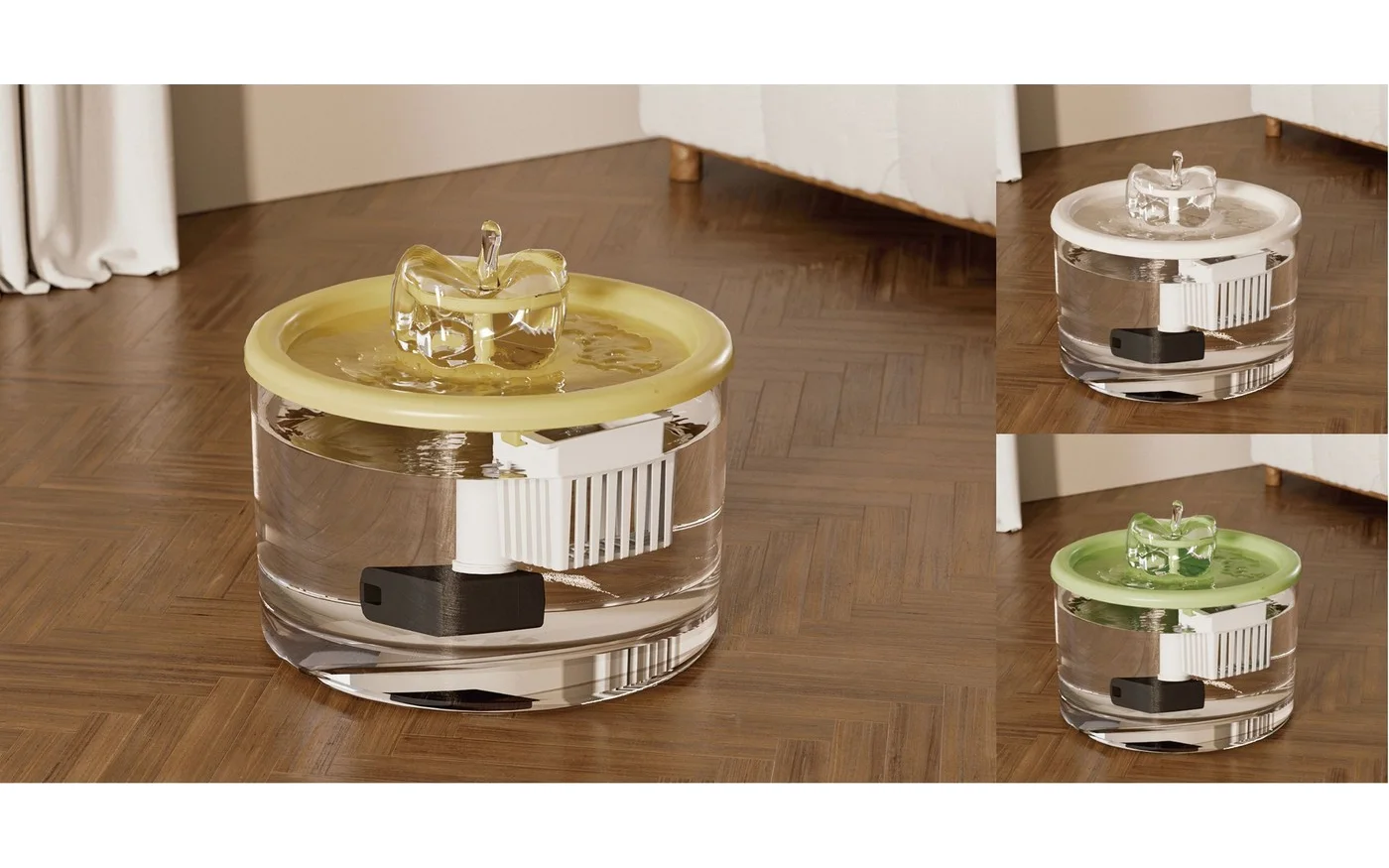
Move the water. A running water fountain is the single most effective change, because moving water flips the "fresh and safe" switch in a cat's brain that a still bowl can't reach. A round, low-sided fountain also spares the whiskers. Put water stations in two or three places around the home, and keep them away from food bowls and litter boxes — cats treat those as "contaminated zones" and won't drink next to them.
Add water to the food. A cat on a wet-food diet is getting a meaningful share of its daily water through the meal, the way its ancestors did. If your cat eats mostly dry kibble, switching even part of the diet to wet food can quietly close most of the hydration gap without the cat ever visiting the bowl more often.
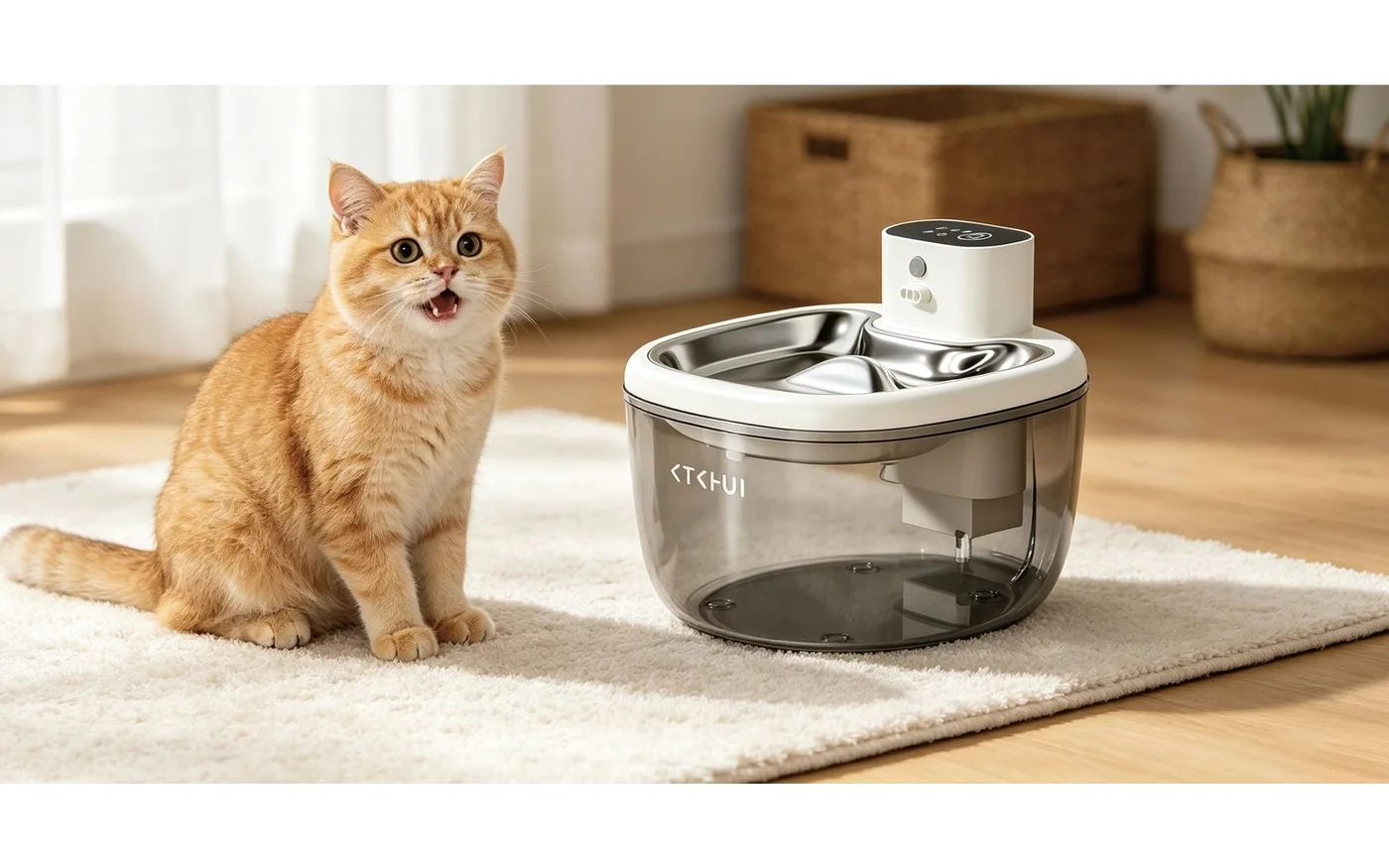
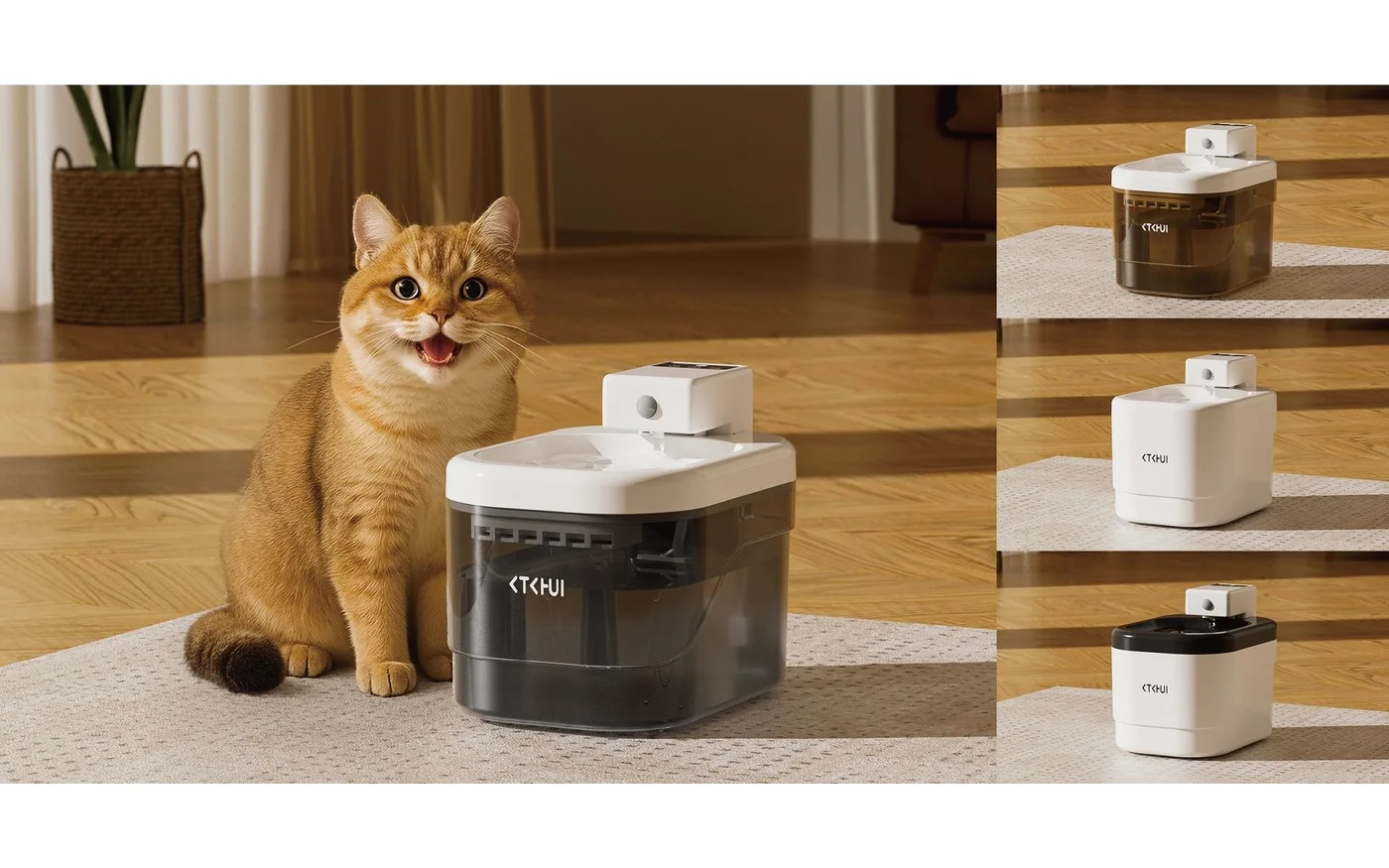
And if you want to push the behavior further, a sensor fountain or a cordless fountain you can place anywhere gives you more spots to make water available — the less effort drinking requires, the more of it a cat will do.
The Part That's Actually Encouraging
Here's the reason not to spiral: cats are not stubborn about water out of spite. They're running an instinct that made perfect sense for a desert predator, and is now misfiring in an apartment with a bottomless bowl. That means the problem is solvable, because it isn't a personality flaw — it's a mismatch between an old instinct and a new environment.
Fix the mismatch — running water, wet food, smart placement — and most cats will hydrate themselves happily for years. The cat isn't broken. The setup was. Change the setup, and the cat does the rest.
Referenced in this guide
Keep reading