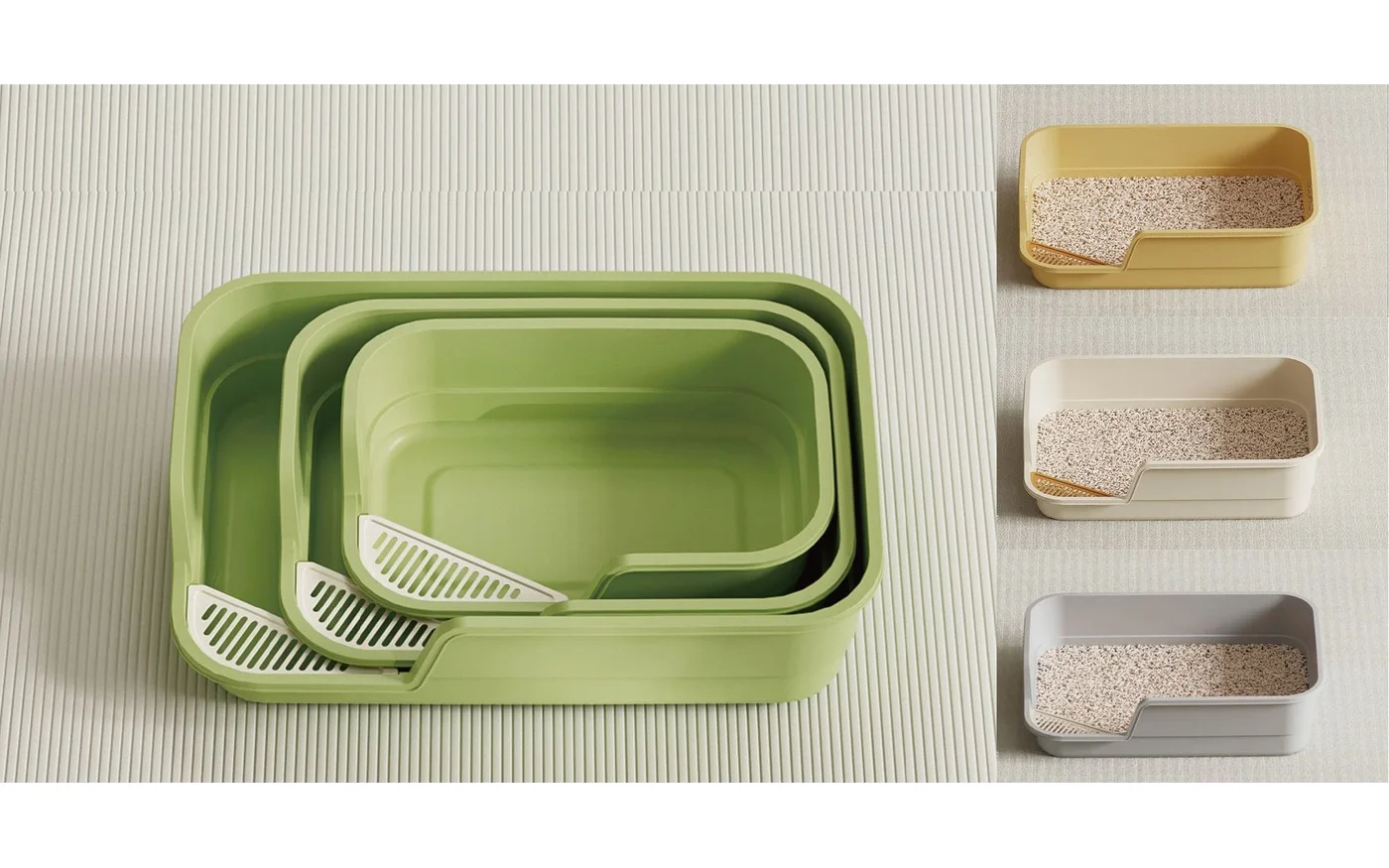
The Subtle Art of Litter Box Scooping: Mastering Feline Hygiene
Learn the precise techniques and why routine scooping is the single most critical act of responsible pet ownership.
October 30, 2026 · 5 min read · 716 words
It’s a quiet, unglamorous ritual, performed perhaps once a day, often while the rest of the house is asleep. For many cat owners, the litter box is a necessary evil—a source of inevitable smells, dust, and clumps of mysterious waste. Yet, dismissing the act of scooping as merely 'a chore' is a grave mistake. It is, in fact, one of the most subtle, profound acts of preventative medicine and behavioral enrichment we perform for our feline friends. The depth of a cat’s natural hygiene instincts is incredible, but it is not infallible, nor is it designed for the realities of a busy, unpredictable human home. Understanding how and why we scoop isn't just about looking tidy; it's about maintaining a micro-environment that contributes directly to your cat's long-term physical and emotional well-being.
We often get caught up in the shiny, modern accessories—the automatic feeders, the self-cleaning litter boxes, the ergonomic scratch posts. These things are wonderful, yes. But they are merely technological crutches. The foundation of feline health and domestic harmony remains rooted in our consistent, mindful engagement with the basics. And at the core of that basic care is the scoop.
The Science Behind the Scent: Why Smells Matter So Much
When we talk about odor, we’re not just talking about a bad smell in the hall; we’re talking about chemistry. A cat's waste, particularly urine and feces, is a complex mix of compounds, many of which are metabolized by the cat's body and excreted. The lingering odor that gets underfoot or into the air is a signal, and sometimes a signal that something is subtly wrong.
First, it can signal dehydration. If the urine is consistently strong or pungent, it might mean your cat isn't drinking enough clean water. This, in turn, can lead to Urinary Tract Issues (UTI), which are painful and dangerous, requiring immediate veterinary attention. A properly maintained, scent-controlled litter box is an early warning system that helps you, the caregiver, notice a deviation from normal.
Second, and perhaps more critically, is the issue of litter type and the environment's reaction. Some mineral-based litters, while great at clumping, can sometimes generate specific volatile organic compounds (VOCs) when mixed with waste. Regular scooping removes the bulk waste before those chemicals have time to fully break down and permeate the surrounding litter material and the air. It's preemptive maintenance. It’s proactive sniff-testing.
Beyond Cleanliness: The Behavioral Component of Scooping
While the physical science is important, we must never ignore the behavioral aspect. To a cat, the litter box is not just a disposal unit; it's a private, natural extension of their territory and self-care routine. The consistent, predictable act of scooping establishes a reliable rhythm—a predictable routine that cats inherently appreciate.
If your scooping schedule becomes erratic, or if you leave the box full for too long, your cat might perceive it as a decline in the quality of their personal space. This is where subtle stress signals can emerge. Suddenly changing habits—like starting to urinate slightly outside the box, or neglecting certain areas—should never be viewed by the owner as 'disobedience.' They are usually communications.
Think of the scoop not just as a tool, but as an extension of your caregiving commitment. A consistent routine tells the cat: "This area is safe. This area is managed. You are provided for." It’s a non-verbal contract of dependable maintenance.
The art, therefore, is not just the mechanical act of flicking clumping waste into the bag. The art is the mindfulness surrounding the act. Taking a moment to assess the entire box—the litter level, the corner residues, the overall cleanliness—forces you to become an observer of your cat’s environment, not just a janitor. This deep observation is what ultimately leads you to noticing the early signs of dietary changes, discomfort, or stress that a routine cleaning would otherwise mask.
Ultimately, owning a pet is accepting the messy, inconvenient truth that comes with deep, unconditional love. The litter box is messy, stinky, and requires consistent labor. But by approaching the simple act of scooping with intention—understanding its chemical significance, recognizing its behavioral role, and treating it as a daily health check—you are doing far more than just keeping the floor clean. You are becoming a more attuned, more effective guardian for your cherished companion.
Referenced in this guide
Keep reading