
The Anti-Boredom Blueprint: Why Your Cat Needs More Than Just a Box
Beyond the scratching post: a guide to fighting feline boredom through genuine mental stimulation.
November 1, 2026 · 8 min read · 759 words
Finding out that your cat is perfectly healthy, eating all their food, and using the litter box correctly feels like a victory. You've done the hard part. But here’s the truth many pet owners overlook: a cat’s tank is not just a body that needs feeding; it’s a highly sophisticated, bored little brain.
We often treat indoor pets like static art pieces—beautiful, contained, and seemingly eternally entertained by the sunbeam pattern on the carpet. But chronic boredom isn't just "nothing to do"; it’s a genuine source of stress, frustration, and sometimes, destructive behavior. Your cat isn't bored because you're lazy; they might be signaling a desperate need for complex stimulation.
This isn't about buying a hundred toys. It's about understanding the psychology of feline play and implementing an anti-boredom blueprint.
The Stress of Under-Stimulation: More Than Just Whiskers Twitches
When a cat becomes bored, they aren't just napping or staring out the window; they are experiencing a real, low-grade stress state. Unlike humans who might scroll endlessly on our phones, a cat's boredom lacks the dopamine hit of the next TikTok video. Their world is limited to predictable loops: waking up, eating, stretching, sleeping.
The most common behavioral signs of under-stimulation are often misinterpreted as medical issues:
- Sudden, intense energy bursts: The Zoomies. These aren't just random flailing; they are often a physical manifestation of pent-up neurological energy seeking a release valve.
- Over-grooming/Skin picking: Sometimes, the anxiety of having an unchallenging environment manifests as self-soothing (or self-sabotaging) behaviors.
- Excessive spraying or inappropriate urination: The cat’s sense of territory and mental engagement is flagging, and their physical bathroom habits are the first thing to show it.
In short, when you see a weird, repetitive, or destructive habit, the first thing to check isn't the vet—it’s the mental stimulation level.
Mastering Puzzle Play: Making Boredom Work For You
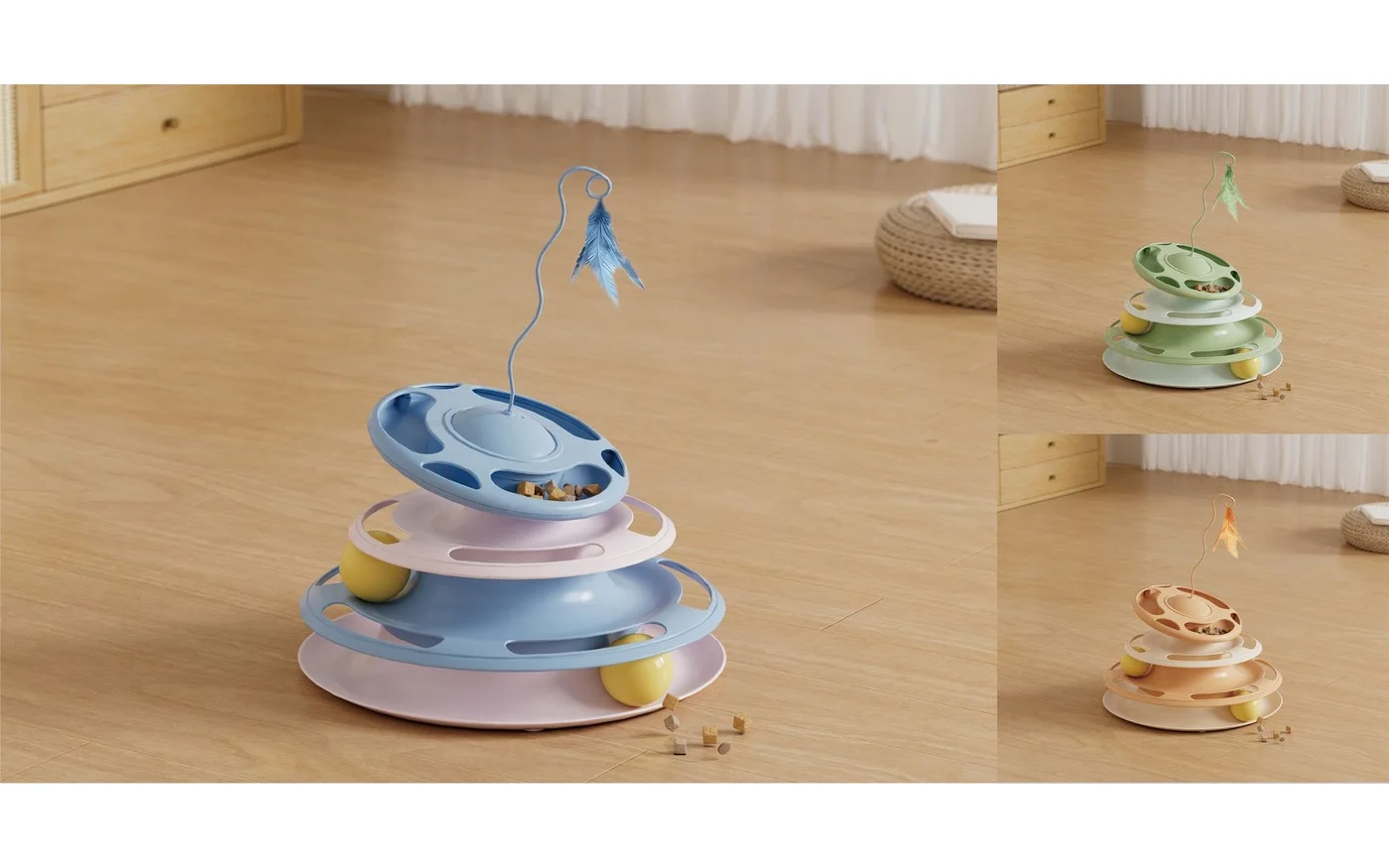
The key to solving feline boredom is recreating the "hunt-feed-escape" cycle in your cat's daily life. Wild animals don't get a bowl of kibble appear in front of them; they must work for it. Puzzle toys are the most underrated piece of pet equipment because they simulate the intense, focused problem-solving that naturally drives a cat.
If you only buy squeaky toys, you're treating the symptom (fun); if you buy puzzle toys, you're treating the cause (boredom).
Making it feel like a treasure hunt:
- Controlled Feeding: Instead of putting food in a bowl, use slow-feeder bowls or sprinkle kibble into a sturdy puzzle toy. This turns mealtime from a simple refueling stop into a strategic puzzle.
- The Mystery Treat: Hide small, highly tempting treats (like chunks of boiled chicken) in various, reachable spots in the house, and encourage your cat to hunt for them. This is low-effort for you, high-reward for them.
- DIY Enrichment: Forget expensive gadgets initially. An empty cardboard box (turned on its side) provides instant cover and tunnels. Tucking a few catnip toys inside turns a piece of trash into an instant psychological play zone.
Remember, the goal isn't the puzzle toy itself; the goal is the work the puzzle requires.
Beyond Toys: Environmental Enrichment That Changes Everything
Sometimes, the problem isn't the toys; it's the enclosure. Cats are architectural engineers at heart, and their limited space can become a source of profound psychological distress.
To truly boost their well-being, focus on these three environmental pillars:
- Verticality is Power: Cats need height. Climbing, observing from a high vantage point, and traversing multiple levels are natural behaviors that provide a sense of mastery. Cat trees, wall shelves, and even stable, designated cat walkways are not luxuries; they are essential psychological architecture.
- The Window View: A basic windowsill needs to be upgraded into a "Cat Command Center." If possible, secure cat-safe perches near windows and place high-quality, engaging toys nearby. Watching the world go by, even if nothing happens, engages their predator instincts in a low-stress way.
- The Routine of Novelty: Monotony is the cat’s enemy. Introduce novel toys or play sessions regularly, even if they seem fine with their current favorites. A new wand toy, a new box, or even just a different play style can trick their brains into a state of curiosity, which is the antidote to boredom.
By actively managing your cat's mental load, you are not just keeping them occupied; you are strengthening their cognitive resilience and deepening your connection with them. Treat their mind with the same care you treat their belly, and you will see a noticeable, happier difference in their whole life.
Referenced in this guide
Keep reading