How to Clean a Cat Travel Carrier (and Why It Smells Like a Vet Visit)
You wipe the carrier down after every trip and call it clean. But surface-wiping never reaches the smell your cat is actually reacting to — the stress pheromones and urine soaked into the padding. That's why a cat that went in fine the first time fights you the second. It's not misbehaving. The carrier reeks of its own fear.
October 28, 2026 · 6 min read · 1111 words
Here's a quiet mismatch that plays out in millions of homes, and it has almost nothing to do with how often you clean. You take the carrier out before a vet visit, you wipe it down when you get home, you put it back in the closet, and you'd swear it's clean. Then the next trip, the cat that walked into it fine last time suddenly flattens its ears, digs in its paws, and fights you like the carrier is a trap.
The explanation most people reach for is behavioral — "the cat hates the vet, so it hates the carrier." But the real answer is sitting right there in the padding, and it's a cleaning problem, not a personality problem. A cat's sense of smell is roughly fourteen times better than yours, and the thing your cat is reacting to on trip number two is a smell you wiped right over: its own fear, soaked into the fabric from last time.
Why Your Cat Fights the Carrier the Second Time
The science is simple and it explains the whole problem. When a cat is frightened — and for most cats, a trip to the vet is genuinely frightening — its body releases stress pheromones and other scent chemicals. In a confined carrier, those chemicals don't just float away. They soak into whatever is soft: the padded floor, the fabric walls, the fleece liner. Add a little urine from a scared cat (very common), some saliva, some dander, and the padding becomes a sponge holding a concentrated record of the worst ten minutes of your cat's year.
Now here's the part that matters. Your surface wipe — the quick pass with a damp cloth or a spritz of cleaner — cleans the surface. It does nothing to the pheromones soaked into the padding a centimeter below. So next trip, your cat steps into a box that still smells, to its nose, like its own terror. The cat isn't being difficult. It's being given a box that announces "this is where bad things happen," and it's responding exactly the way its instincts tell it to.
This is also why the fix isn't a new carrier and isn't more treats. It's a proper clean that actually reaches the smell. Do that, and you'll be surprised how quickly the "behavior problem" disappears — because it was never behavior.
Soft Shell vs Hard Shell: They Clean Differently
Before the routine, a quick honest note on the two types, because they fail in different ways.
A soft-shell carrier is the comfortable, familiar choice — and also the one that holds smell the hardest. All that padding and fabric is exactly what absorbs pheromones and urine, and if it can't be removed and washed, you're fighting a losing battle. If your soft carrier's padding is sewn in and can't come out, that's the first thing to fix, because a pad you can't wash is a smell you can't remove.
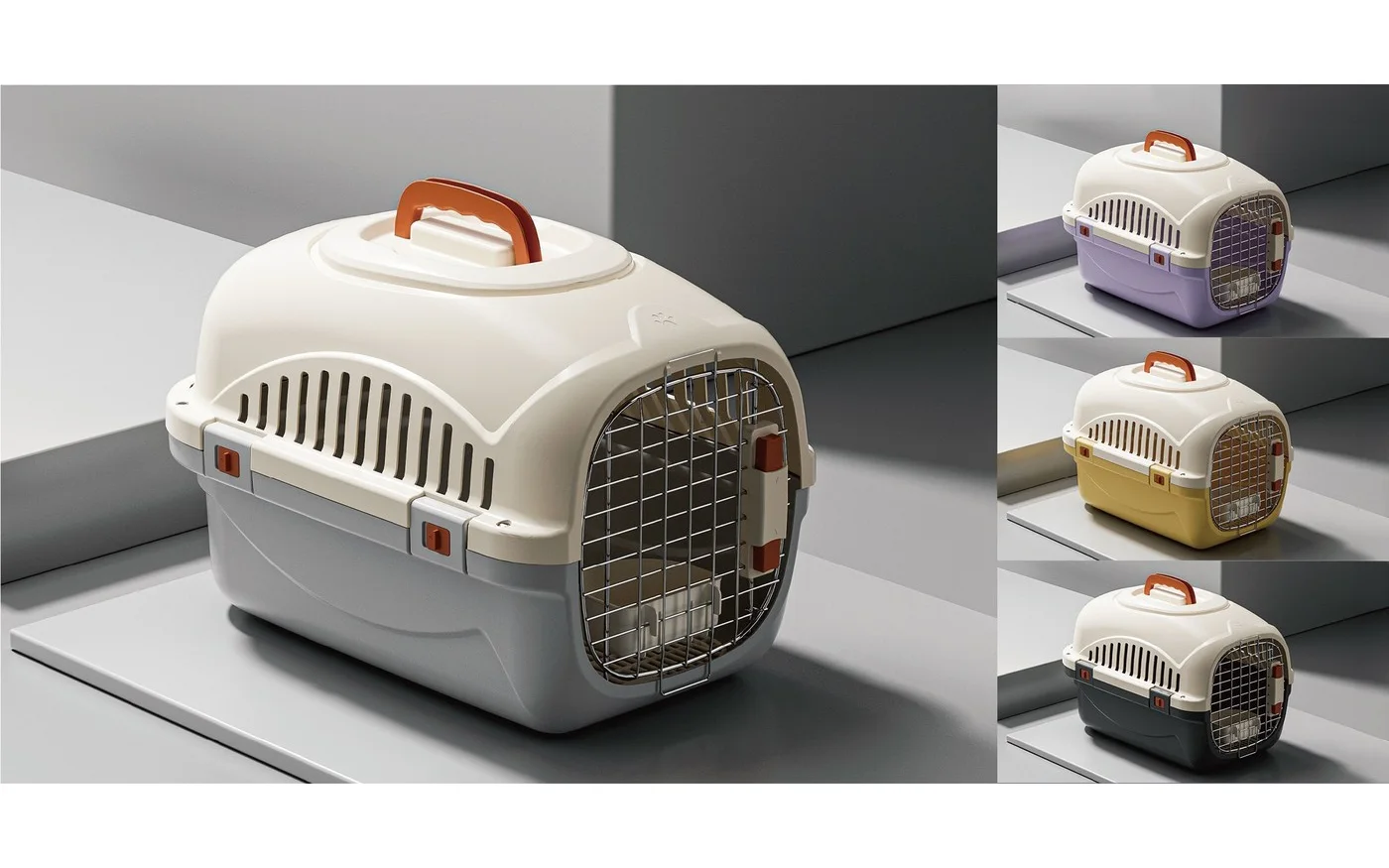
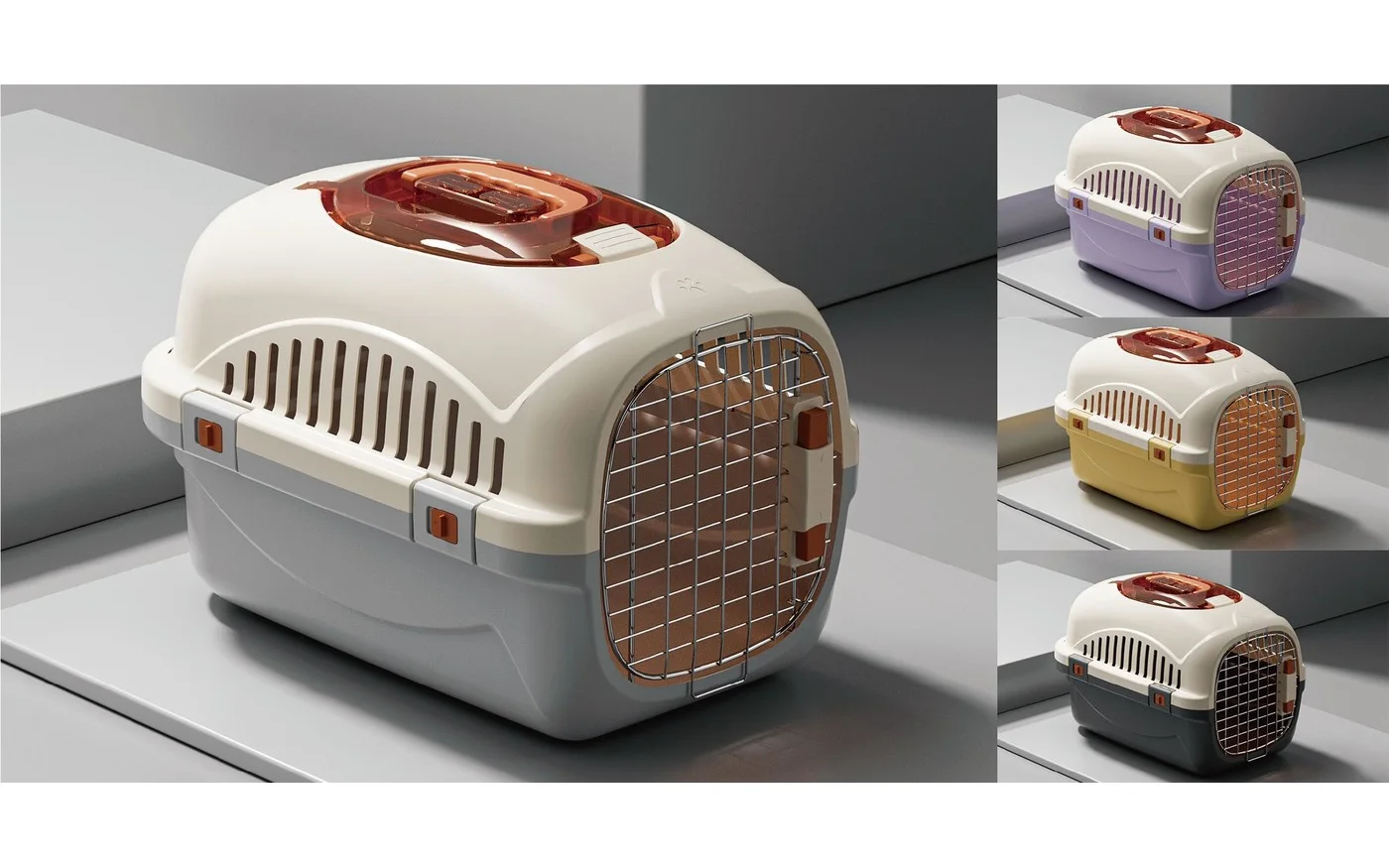
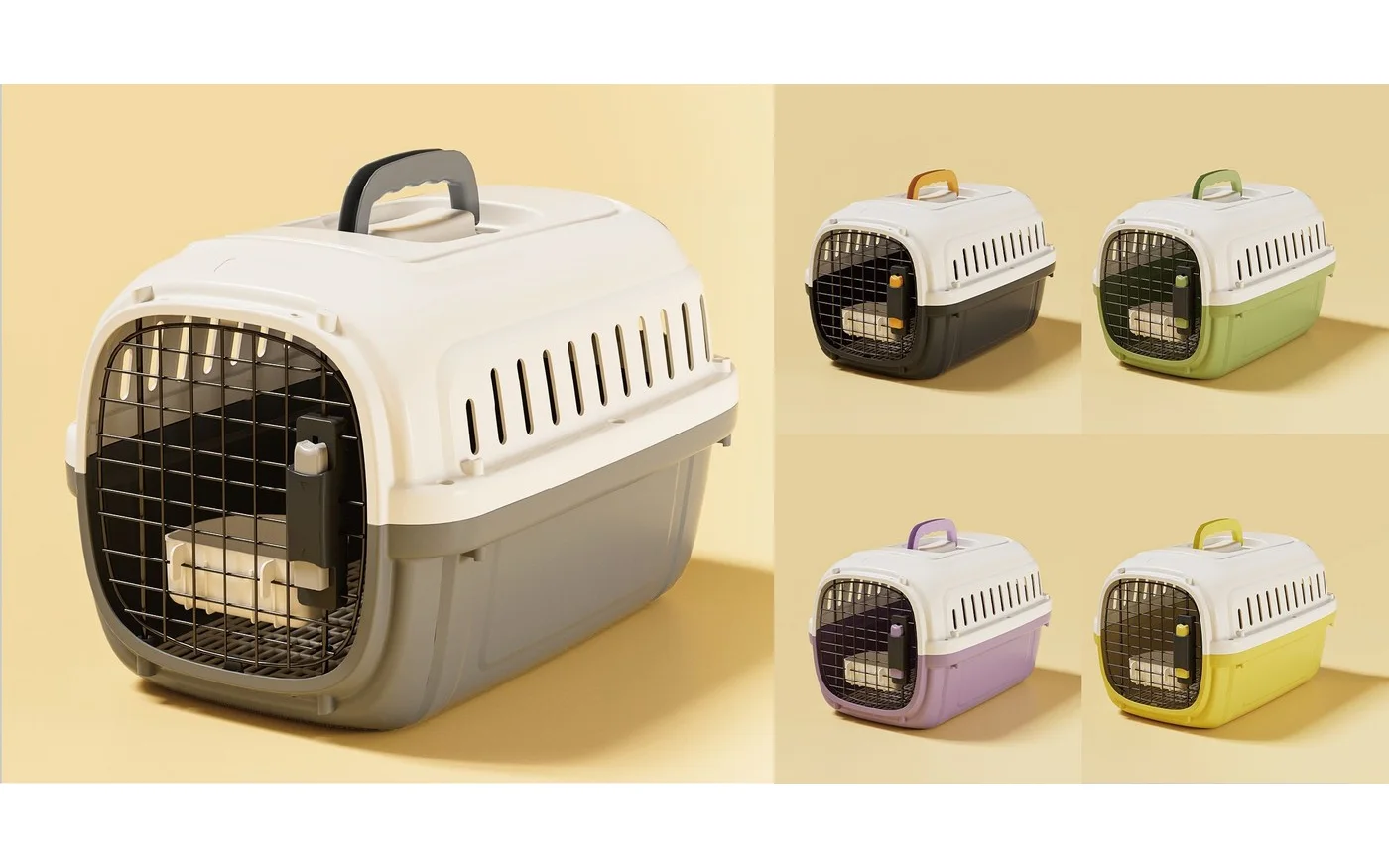
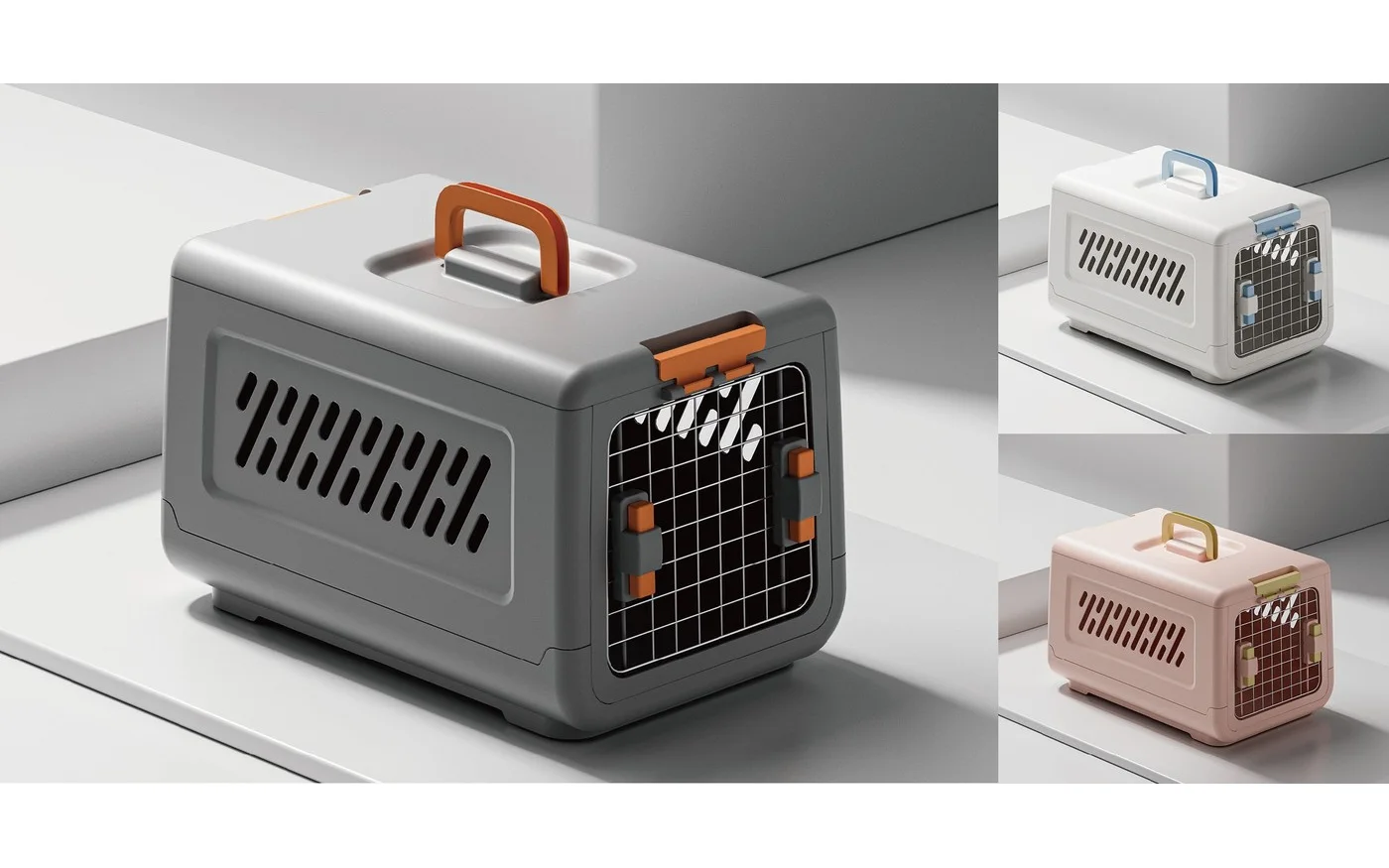
A hard-shell carrier is easier in exactly one way: plastic doesn't absorb the way fabric does. But it's not maintenance-free. Debris and residue collect in the seams, the grooves, and the vents, and those corners are where bacteria — and odor — quietly build up. A hard shell is easier to clean, but only if you actually clean the seams and not just the flat surfaces.
The Cleaning Routine That Actually Works
Here's the unglamorous, step-by-step version, and it matters more than any product on the shelf.
Take it fully apart. Whatever comes out — padding, liner, fleece — comes out. This is non-negotiable. A carrier you can't disassemble is a carrier that will never be truly clean.
Wash the soft parts properly. Removable padding and liners go in the machine (cold or warm, gentle cycle) or get hand-washed — with a mild, unscented detergent. Skip the fabric softener and the heavily scented detergents; they coat the fibers in a perfume that, to a cat's nose, is just a louder version of the problem. Air-dry completely. This is the step people rush, and it's the one that matters: padding dried damp grows mildew, and mildew is a whole new smell your cat will hate even more.
Wash the shell with mild soap, not harsh chemicals. For both soft and hard shells, the rule is the same: warm water, a mild dish soap or pet-safe cleaner, and a cloth. No bleach, no ammonia, no strong disinfectant sprays. Bleach and ammonia aren't just harsh on a cat's sensitive airways — they're also the exact wrong tool, because a "powerful" chemical smell doesn't remove the fear pheromone, it just buries it under something even more overwhelming. You want the smell gone, not masked.
Hit the seams and corners. This is the step that separates "cleaned" from "actually clean." Use an old toothbrush or a cotton swab to get into the grooves and vents where a cloth can't reach. For a hard shell, this is where the real odor lives.
Dry it completely before it goes back in storage. Same logic as the padding — a carrier stored even slightly damp comes out smelling worse than when it went in. Leave it open and aired out for a few hours before it goes back in the closet.
What to Do Between Trips
There's one more move that quietly solves half the problem, and it's the part most people skip. A carrier that only appears out of a closet once a year, right before something scary happens, is a carrier the cat learns to distrust — and that distrust is its own kind of smell.
Leave the carrier out. Put it in a quiet corner with the door open and a familiar blanket inside, and let it become ordinary furniture rather than a predictor of doom. A carrier that's always around, that smells like home instead of like fear, is a carrier the cat will walk into voluntarily. Combine that with a proper clean after every trip, and the fighting at the door tends to vanish — not because you trained the cat, but because you removed the reason it was afraid.
The Bottom Line
The honest takeaway is simpler than it sounds. Your cat doesn't hate the carrier. It hates what the carrier smells like — and that smell is yours to remove, not your cat's to get over. Wipe down the surface, wash the padding properly, skip the harsh chemicals, dry it completely, and leave it out between trips. Do that, and the carrier stops being a box of bad memories and becomes what it was always supposed to be: just a box, nothing to fear.
Referenced in this guide

Keep reading