How to Choose a Travel Carrier Your Cat Won't Dread
Your cat doesn't hate the carrier. It's learned that the carrier only appears right before something scary. The design matters, but far less than the association — here's how to pick a carrier that gives you the best chance at a calm trip.
October 23, 2026 · 6 min read · 1124 words
Here's a counterintuitive truth about cat carriers, and it explains almost every failed trip to the vet: your cat doesn't hate the carrier. Your cat has learned that the carrier only ever appears right before something scary — a car ride, a vet visit, a move, a stranger's hands. So the box itself isn't the enemy; it's an omen. In your cat's mind, the carrier isn't a container. It's the thing that reliably shows up ten minutes before everything gets bad.
That reframes the whole buying decision. Most people shop for a carrier the way they'd shop for luggage — biggest, most padded, most features. But if you've never broken the association, the fanciest carrier in the world is still going to be met with a vanishing cat. So this guide splits into two parts: the design details that genuinely matter, and the half of the job that has nothing to do with the box at all.
Why your cat hates the carrier (spoiler: it's not the box)
Think about it from the cat's side. The carrier lives in a closet or a garage, invisible for weeks. Then, suddenly, it appears — usually while you're moving with a certain purposeful energy that cats read instantly. A lid opens. Something that smells like other animals and disinfectant. Then a car engine, a waiting room, and a stranger with cold hands. Every single time.
A cat doesn't generalize the way we do. It doesn't think "the carrier is a tool for safe transport." It thinks "the carrier means bad things happen." The fix is to make the carrier a neutral object in daily life — leave it out, door open, with a familiar blanket inside, so it becomes furniture rather than an omen. This costs nothing and matters more than any feature. But you have to buy the carrier before you can do any of that, which is where the design comes in.
What actually matters in a carrier
Strip away the marketing and there are four things that determine whether a carrier makes a trip better or worse. None of them are "looks expensive."
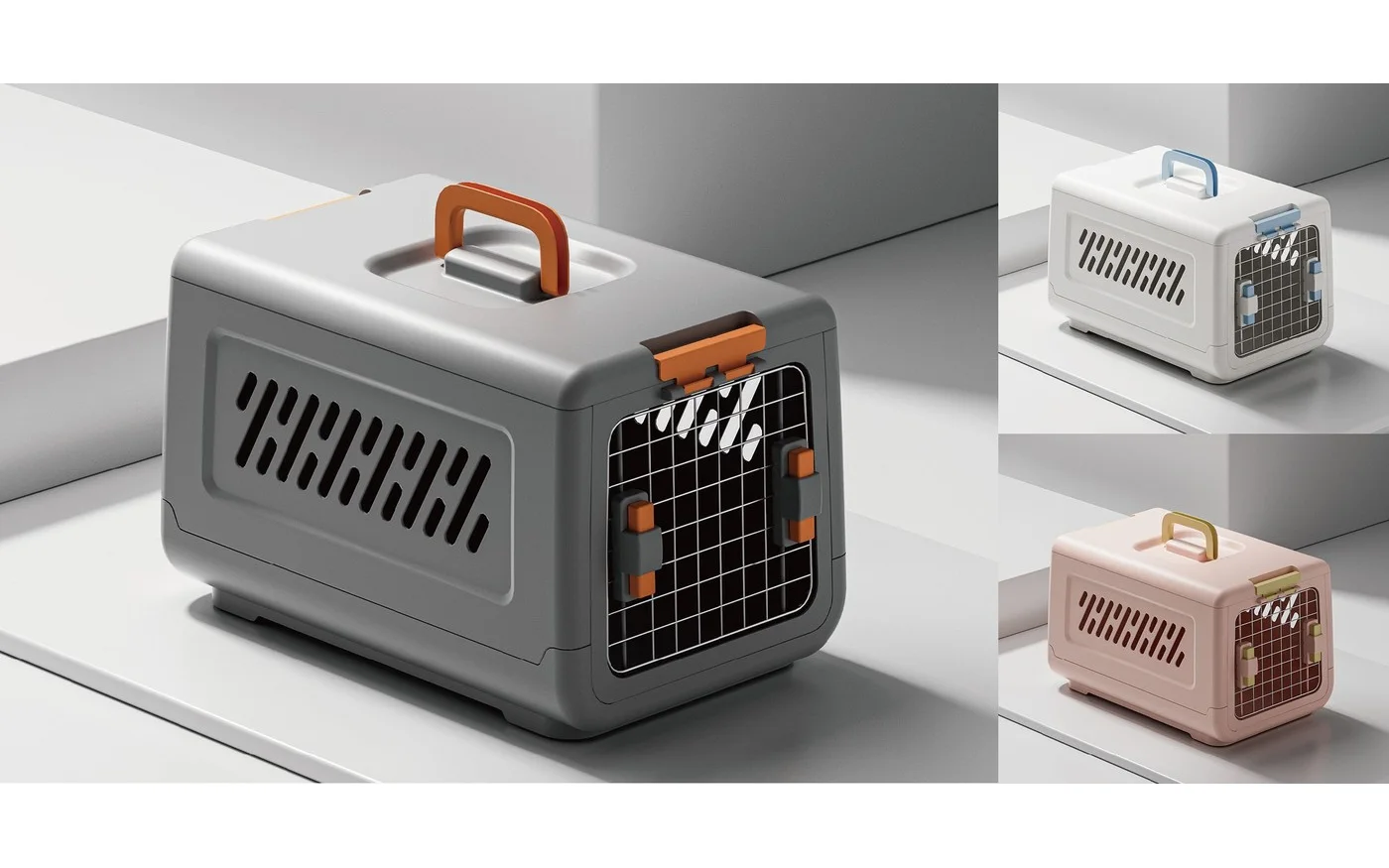
How it opens. Cats don't climb into carriers; they get put into them, usually against their will. A top-opening carrier is a genuine difference-maker — you can lower a cat in from above instead of shoving it through a front door. Front-loading doors are fine for confident cats, but for a reluctant cat, a top hatch is the single most useful feature. If the carrier also lets you remove the top entirely (to turn it into a base your cat can get used to), even better.
How much it hides. Cats feel safer in enclosed spaces, not panoramic ones. A carrier that's mostly solid with limited visibility — or one you can drape a towel over — reduces stimulation. A fully transparent bubble might look modern to you, but to a stressed cat it's a glass cage in a moving, vibrating room. More hiding equals less stress.
How well it breathes and drains. This one is less glamorous but matters on real trips. Mesh or ventilation on multiple sides keeps air moving; a leak-proof base catches accidents. A carrier you can clean without disassembling a puzzle is a carrier you'll actually clean — which matters, because a smelly carrier reinforces the bad association you're trying to break.
Size. Bigger is not better. A carrier that's too large lets the cat slide and brace in a panic; a carrier that's too small is miserable. The right size is roughly one-and-a-half times the cat's length, and tall enough for it to stand and turn around — snug enough to feel held, roomy enough not to feel trapped.
Hard-shell vs soft-shell (the honest version)
This is the one comparison most people get wrong, because they treat it as "better vs worse" when it's really "different jobs."
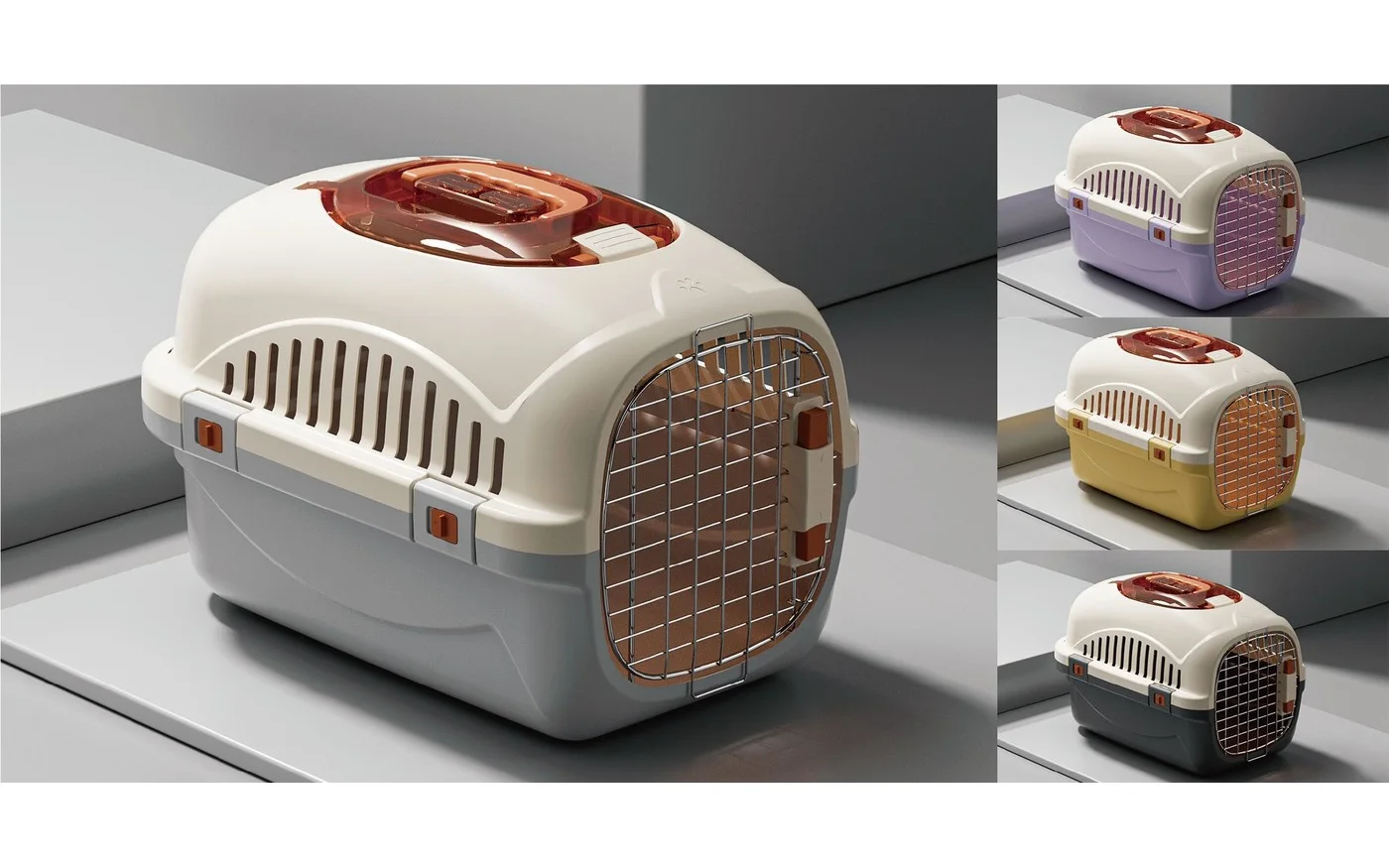
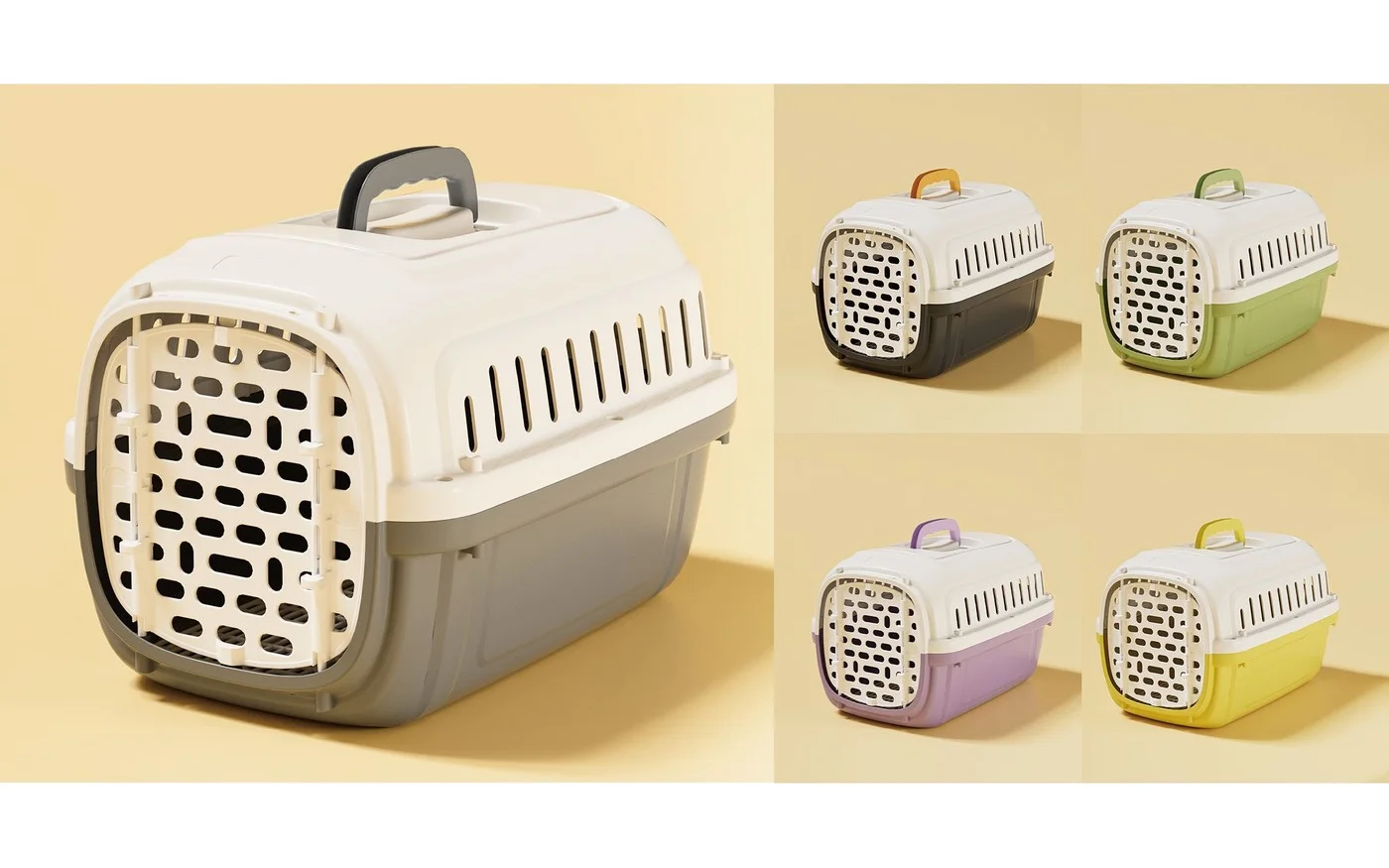
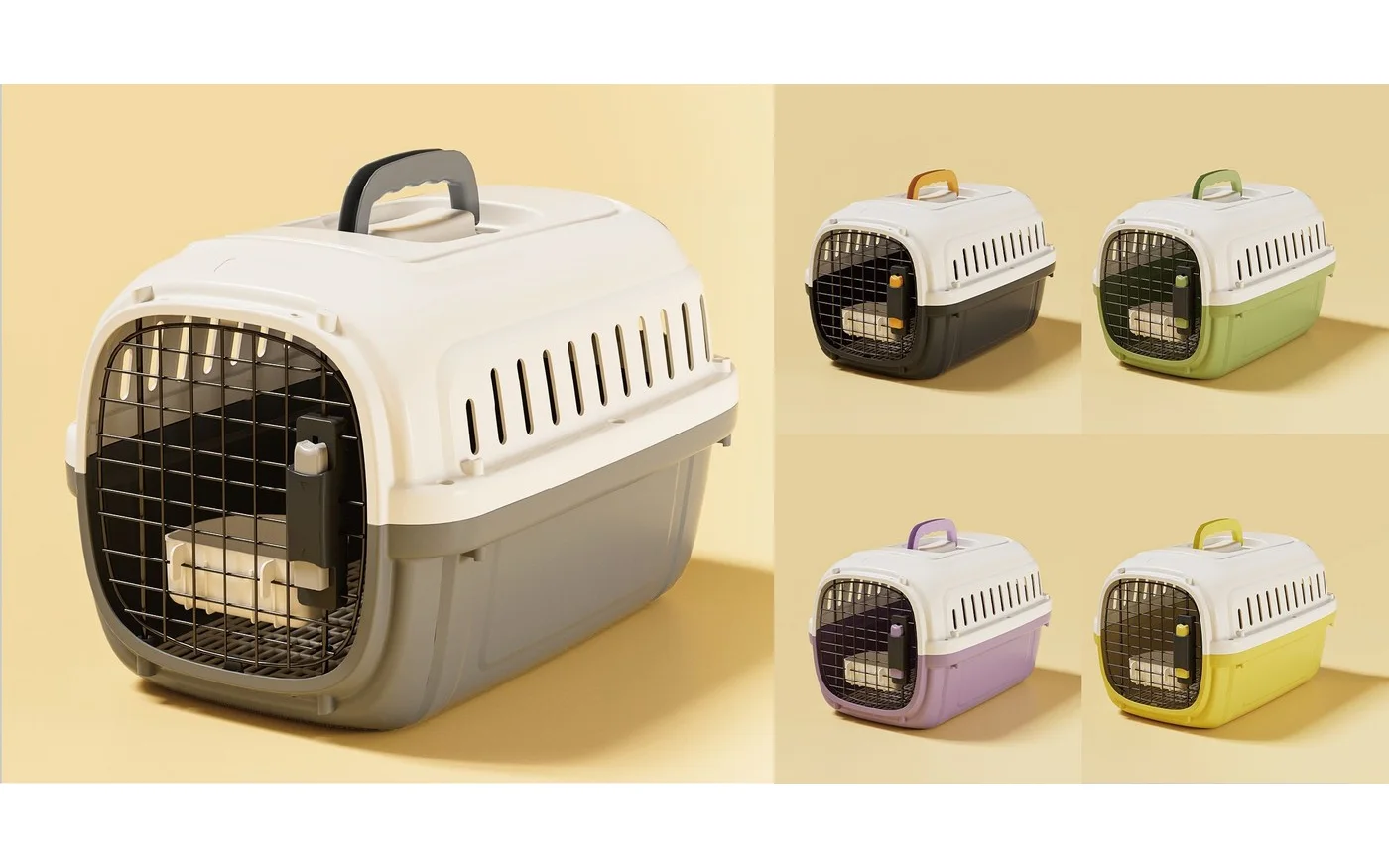
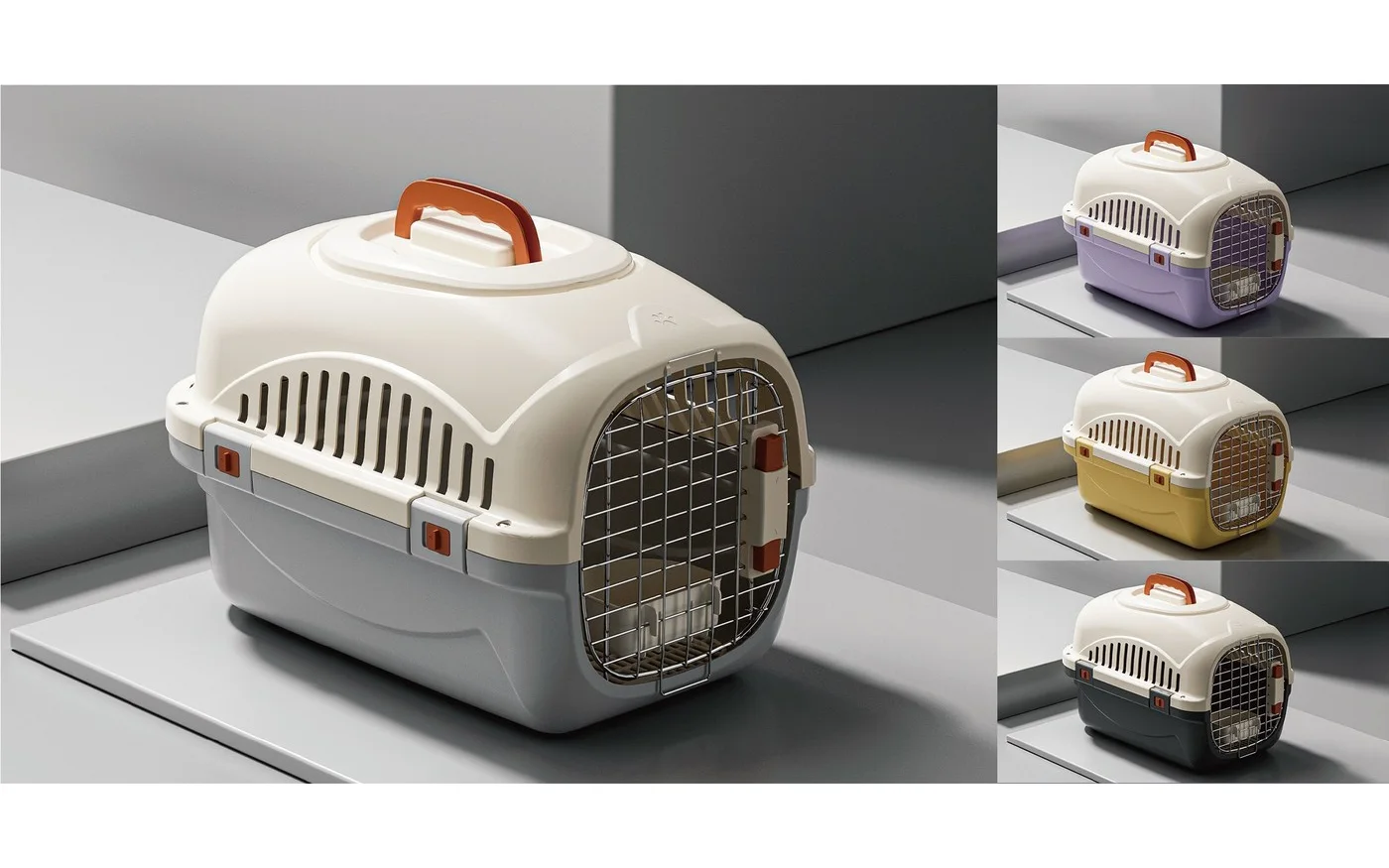
[Hard-shell carriers](/products/hard-shell-travel-carrier) are rigid, wipe-clean, and protective. They're the right call for most car travel, for trips to the vet, and for any cat that tends to panic and throw its weight around — the structure contains that energy instead of collapsing. The trade-off is weight and bulk, and they take up storage space. If you'll mostly drive and visit the vet, a hard shell with a top hatch is the workhorse answer.
[Soft-shell carriers](/products/soft-shell-travel-carrier) are lighter, foldable, and easier to carry on a shoulder. They're gentler on your body and convenient for short, low-stress trips. The trade-off is that they're harder to clean thoroughly, and a panicking cat can push the structure around. They shine for a calm cat on short drives; they're the wrong tool for a terrified cat on a long haul.
The honest summary: if you don't know which you need, a hard shell with a top opening is the safest default. It handles the worst case better, and the worst case is what you're really buying a carrier for.
How to pick (the five-minute version)
You don't need to overthink this. Here's the whole decision in a few questions.
Pick top-opening if your cat is reluctant. If you've ever had to stuff a cat into a front door, you already know why. A top hatch changes the whole dynamic.
Go mostly enclosed over mostly transparent. A calm, hidden cat beats a visible, panicking one. If the carrier is too open, you can always drape a towel.
Match the carrier to the trip, not the store shelf. Car plus vet plus a cat that fights the box → hard shell. Short drives plus a calm cat plus easy carrying → soft shell. The carrier is for the trip you actually take, not the one in the product photo.
Leave it out before you need it. The single highest-return move is free: weeks before any trip, set the carrier out with the door open and a familiar blanket inside. Let it become boring furniture. The cat that naps in its carrier is the cat that doesn't fight it later.
The short version
- Your cat doesn't hate the carrier — it's learned to dread what the carrier predicts. The fix is association, not just features.
- Top-opening beats front-loading for reluctant cats; lowering in from above beats shoving in from the front.
- More hiding, less visibility helps a stressed cat feel safe; transparent bubbles don't.
- Ventilation, a leak-proof base, and easy cleaning matter more than looks — a clean carrier is part of breaking the bad association.
- Hard shell for protection and easy cleaning, soft shell for lightness and portability. When unsure, a top-opening hard shell is the safest default.
- The cheapest, highest-impact move is free: leave the carrier out, door open, weeks before the trip.
Referenced in this guide
Keep reading