
The Cat's Mystery Thirst: A Practical Guide to Fixing Dehydration
Cats are notoriously difficult to convince to drink enough water. This guide dives into the science of feline hydration, exploring why they drink less and providing practical, behavioral, and environmental solutions to keep your companion optimally hydrated.
November 4, 2026 · 8 min read · 774 words
In the world of cat care, dehydration often lurks in the shadows, rarely discussed but with profoundly serious consequences. Many of us treat it as an inevitable quirk of the species—just "cats are felines." However, viewing feline hydration solely through the lens of natural instinct is a mistake that can cost you a lot of worry, money, and potentially, your cat's health. Keeping a cat optimally hydrated isn't just about making sure their bowl isn't empty; it's a complex behavioral, environmental, and sometimes, physiological challenge.
The biggest myth is that if a cat is eating, they must be drinking enough. Unfortunately, this is a false correlation. Because cats are masters of efficiency and have evolved to get the maximum nutritional value from a small liquid intake, they often develop a reduced thirst drive, making them chronically prone to suboptimal hydration levels. Understanding why this is a challenge is the first step toward solving it.
The Science Behind the Sip: Why Cats Drink Less Than We Do
The physiological reason is deep-rooted. Unlike dogs or humans, who are designed to drink water frequently, cats have a highly developed metabolic ability to process waste and conserve water. This evolutionary trait, while brilliant for survival in a wild, resource-scarce environment, makes them exceptionally susceptible to dehydration when that environment is suddenly disrupted—such as when they are in a modern, well-fed home.
This conserved instinct means that even mild dehydration can quickly escalate into serious problems, particularly kidney and urinary tract issues. Many conditions, including mild, chronic dehydration, can slowly degrade renal function over time. It's less a sudden crisis and more a slow, insidious erosion of well-being. The most immediate and concerning consequence is the increased risk of urinary crystals and, eventually, urinary tract infections (UTIs) and kidney disease.
Beyond the Bowl: Behavioral & Environmental Hacks for Hydration
If simply placing fresh water in a beautiful, ceramic bowl isn't working, you need to think like a cat—and a cat's motivation is rarely pure thirst. They are motivated by novelty, curiosity, and the most instinctual behaviors.
1. The Water Source Matters (It's not about the water itself): Cats are often hesitant about still, stagnant water. The gentle movement of running water mimics the natural sources they would encounter in the wild—a stream or running tap. Therefore, investing in a pet water fountain, especially one with a flow rate that is noticeable but not stressful, can drastically increase their intake. These fountains don't just provide water; they provide an engaging, novel feature in their environment.
2. Making Water the Reward: If water intake is a struggle, make the process of getting water enjoyable. Integrating puzzle feeders that require the cat to splash or interact with water to retrieve treats is highly effective. If the cat learns that water sources are a source of fun, the association shifts from "chore" to "play."
3. The Food Connection (The Hydration Hack): The single most impactful behavioral trick is to adjust their diet. Since dry kibble is the primary culprit for low water intake, slowly transitioning to wet food, or incorporating wet food into their regular meals, forces them to consume a much higher volume of liquid. This is the most reliable, veterinarian-recommended method for improving systemic hydration.
Lifestyle Adjustments for Optimal Function
Maintaining hydration isn't a one-time fix; it’s a lifestyle commitment. Beyond the basics of food and fountains, there are several small adjustments that make a massive difference in your cat's long-term kidney health.
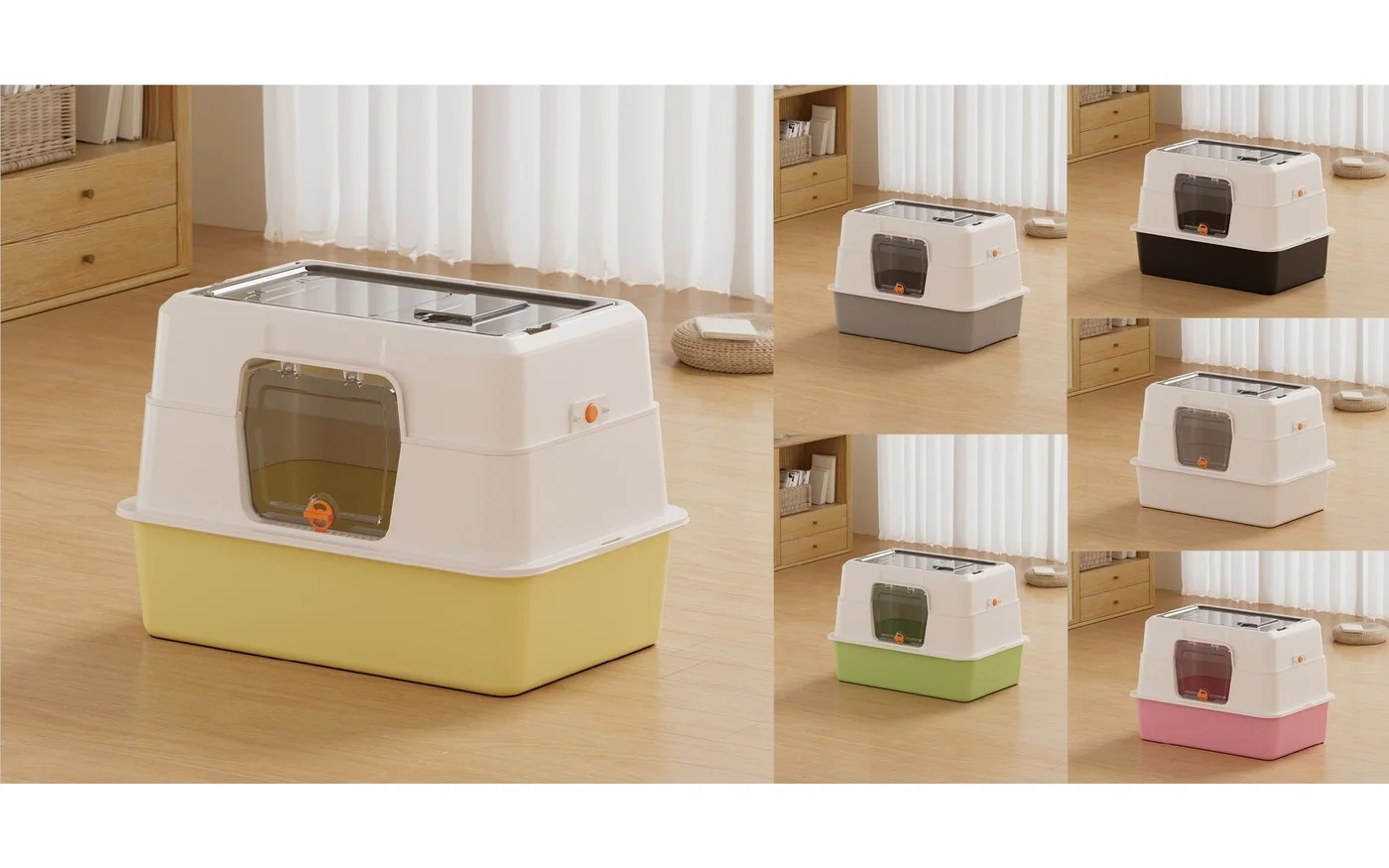
First, consider making their primary litter box environment a holistic wellness station. A stressful or dirty litter box doesn't just offend their nose; it can signal underlying anxiety or discomfort that affects all bodily systems. Optimal litter box maintenance, including the appropriate choice of substrate and a quiet, contained setup, is preventative medicine.
Second, encourage play and exercise. A physically active cat is more likely to be mildly warmed up, and warmth increases metabolic function, which encourages both proper urinary output and curiosity, leading them back to the water source. Dedicated play sessions, even short 10-minute bursts, are vital.
Last, be mindful of supplements and diet boosters suggested by your vet. Some specialized diets, or even occasional supplements, can help support the renal system, making the cat more resilient to suboptimal hydration over time. Always consult a veterinarian before making major dietary changes.
Ultimately, caring for a dehydrated cat requires shifting perspective: you are not just supplying food and shelter; you are managing a highly specialized, semi-wild metabolism. By making these subtle, science-backed changes, you can transform your cat’s hydration from a daily struggle into a normalized, integral part of a healthy, fulfilling life.
Referenced in this guide

Keep reading