Setting up a potty tray in an apartment
Where to put it, whether you need pads at all, how to move it towards the door, and why a grate that sags is the fastest way to undo weeks of training.
October 12, 2026 · 5 min read · 521 words
Put the tray where the accidents already happen. Then move it.
That is the whole method. Everything else on this page is detail about doing those two steps properly.
Why "where they already go" wins
A dog picks a surface and a spot before you get involved. Put the tray on that spot and you are asking for one small change — do this on the tray instead of on the tile beside it. Put the tray somewhere sensible by your standards and you are asking for two changes at once, which is why so many trays end up unused in a corner.
Pads are optional
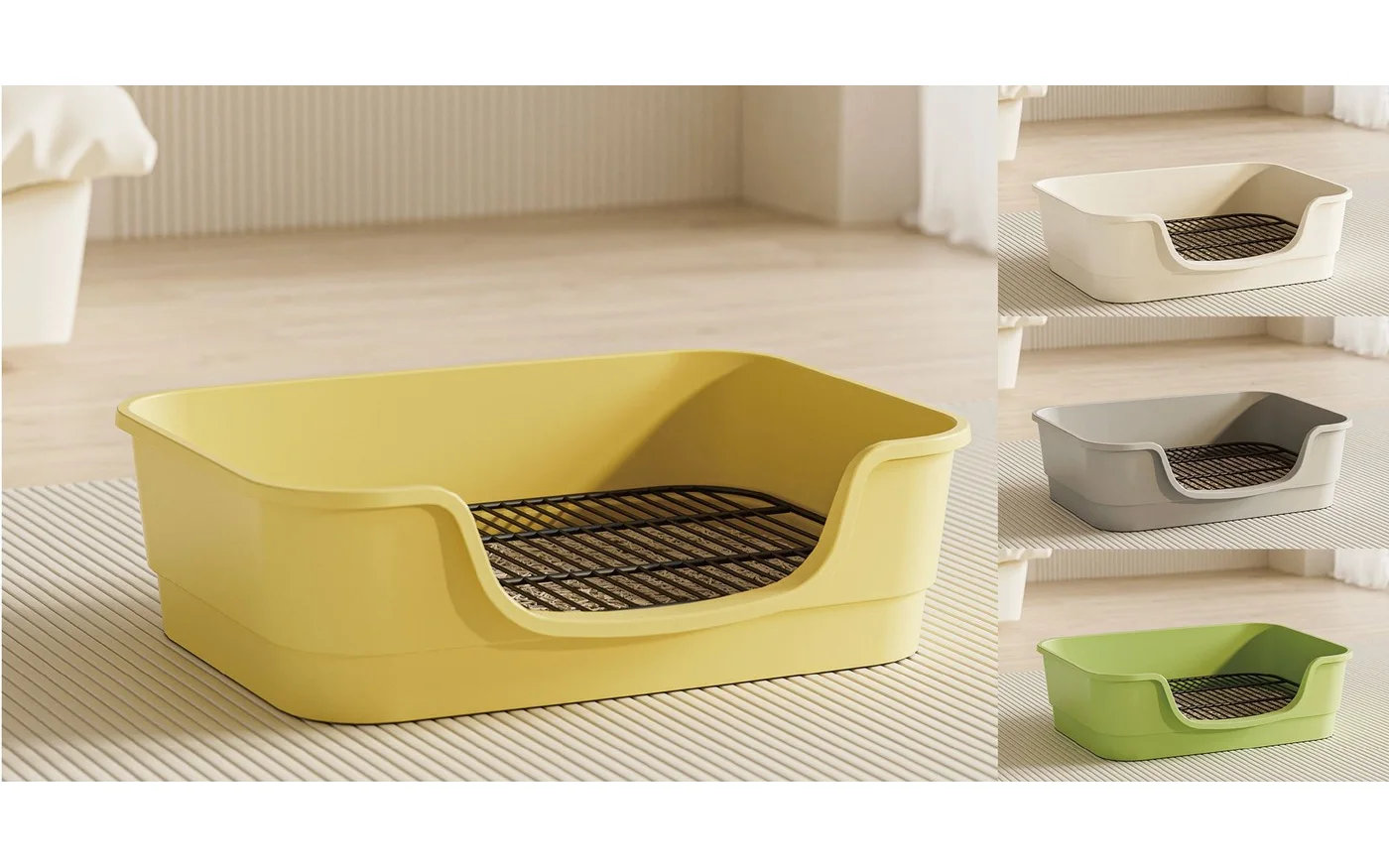
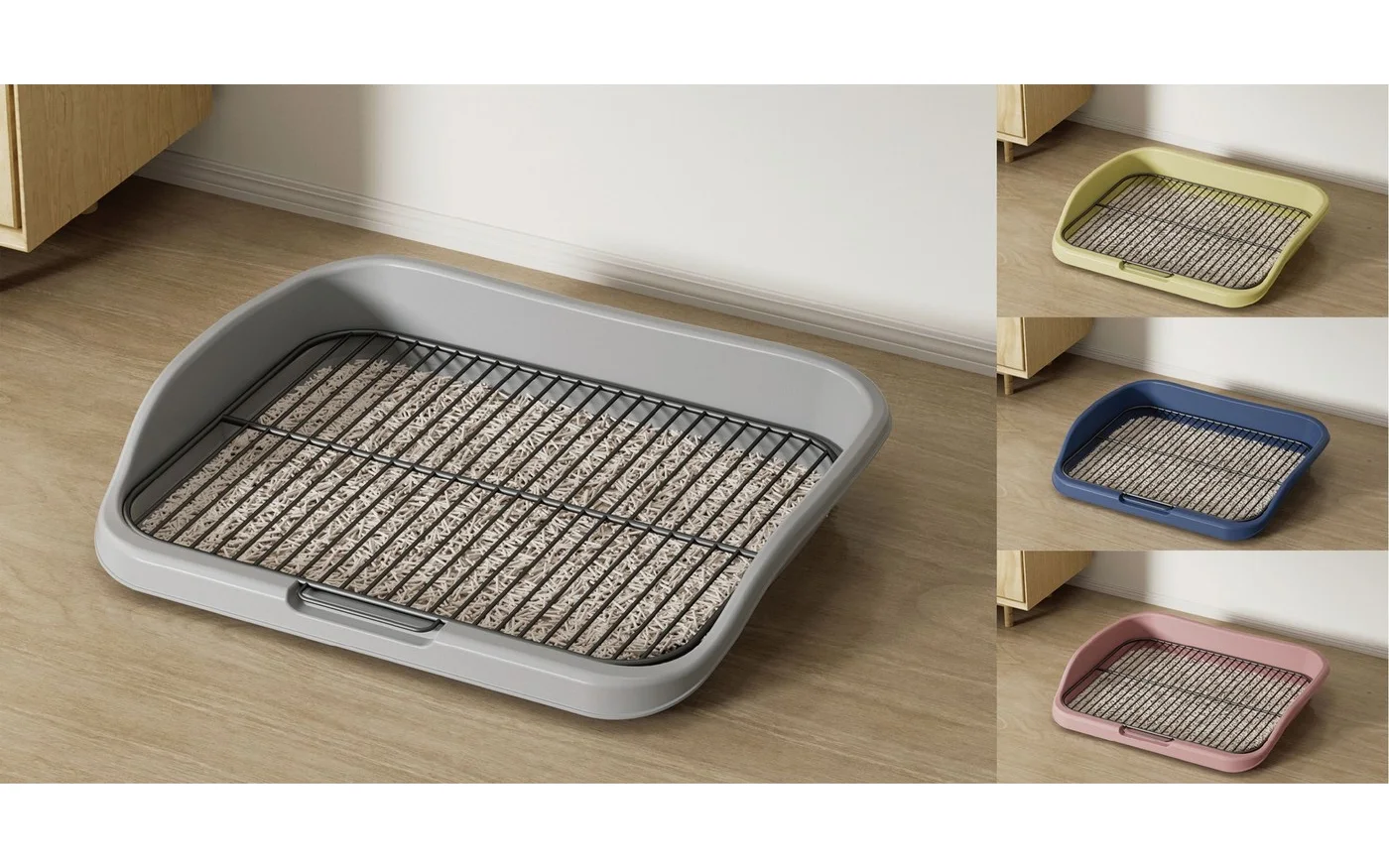
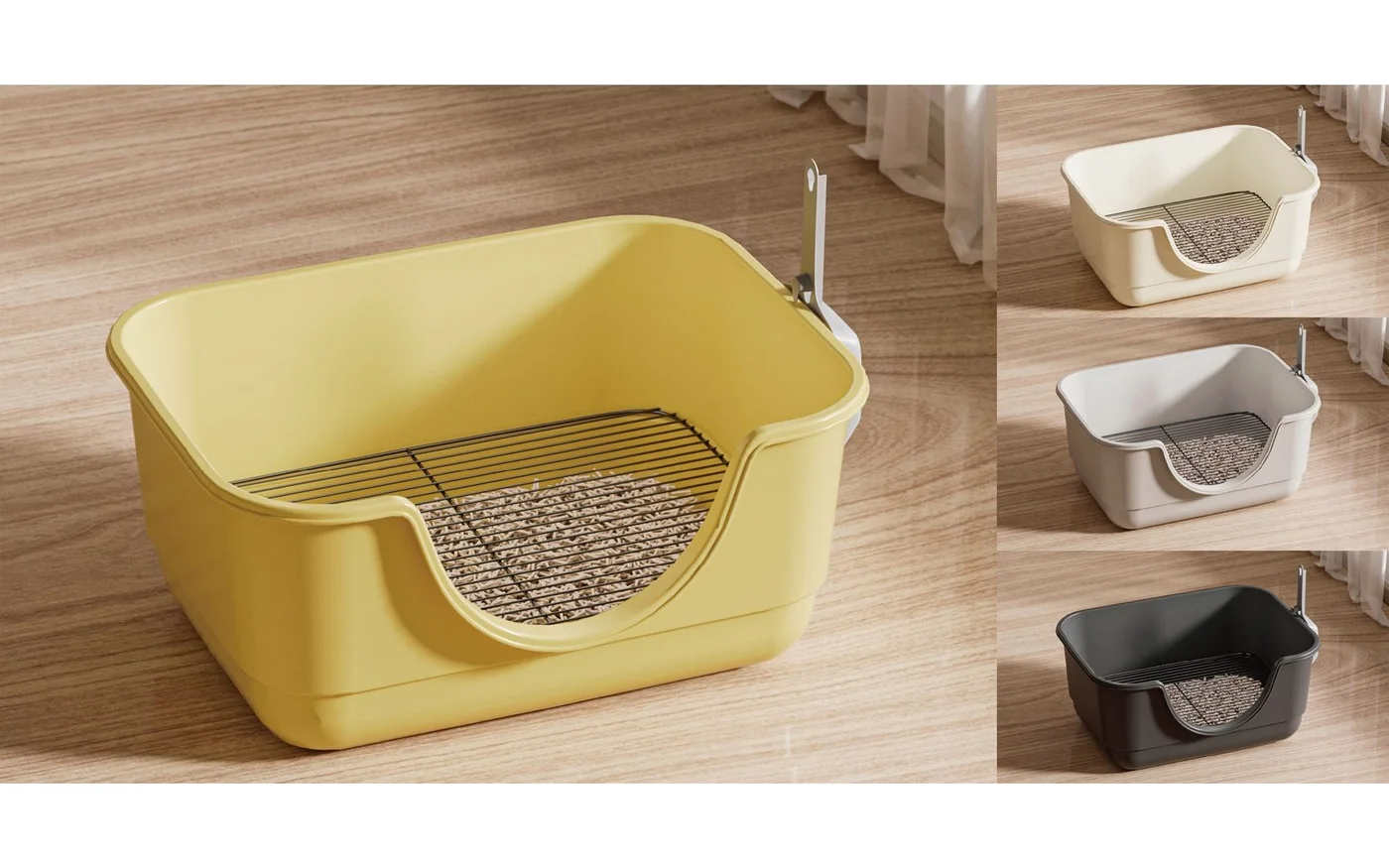
The mesh and grate designs here are built so liquid drains through to the base, which you rinse out. That is the version to use if you are home most of the day and can rinse it after each use.
Pads are for when you cannot. They go under the grate, not over it — a grate covered by a pad is just a wet pad with extra steps and a plastic sheet in the way.
Two things go wrong with pads. The first is leaving them until the surface feels damp; that is the point at which a dog starts looking for somewhere drier. The second is a dog that shreds them, which is common and generally ends the pad experiment.
Moving it towards the door
Once the dog is using the tray reliably — a week of no accidents is a reasonable bar — move it about 30 cm towards the door you want it to use. Leave it there for three or four days. Repeat.
Do not move it in one go. A tray that relocates across the room overnight reads as a tray that disappeared.
Sizing
The dog should be able to turn around on the tray. That is the minimum. For a small dog the compact trays are enough; anything larger needs the full-length trays, and a tray that is too small produces the same result as a litter box that is too small — in at one end, over the edge at the other.
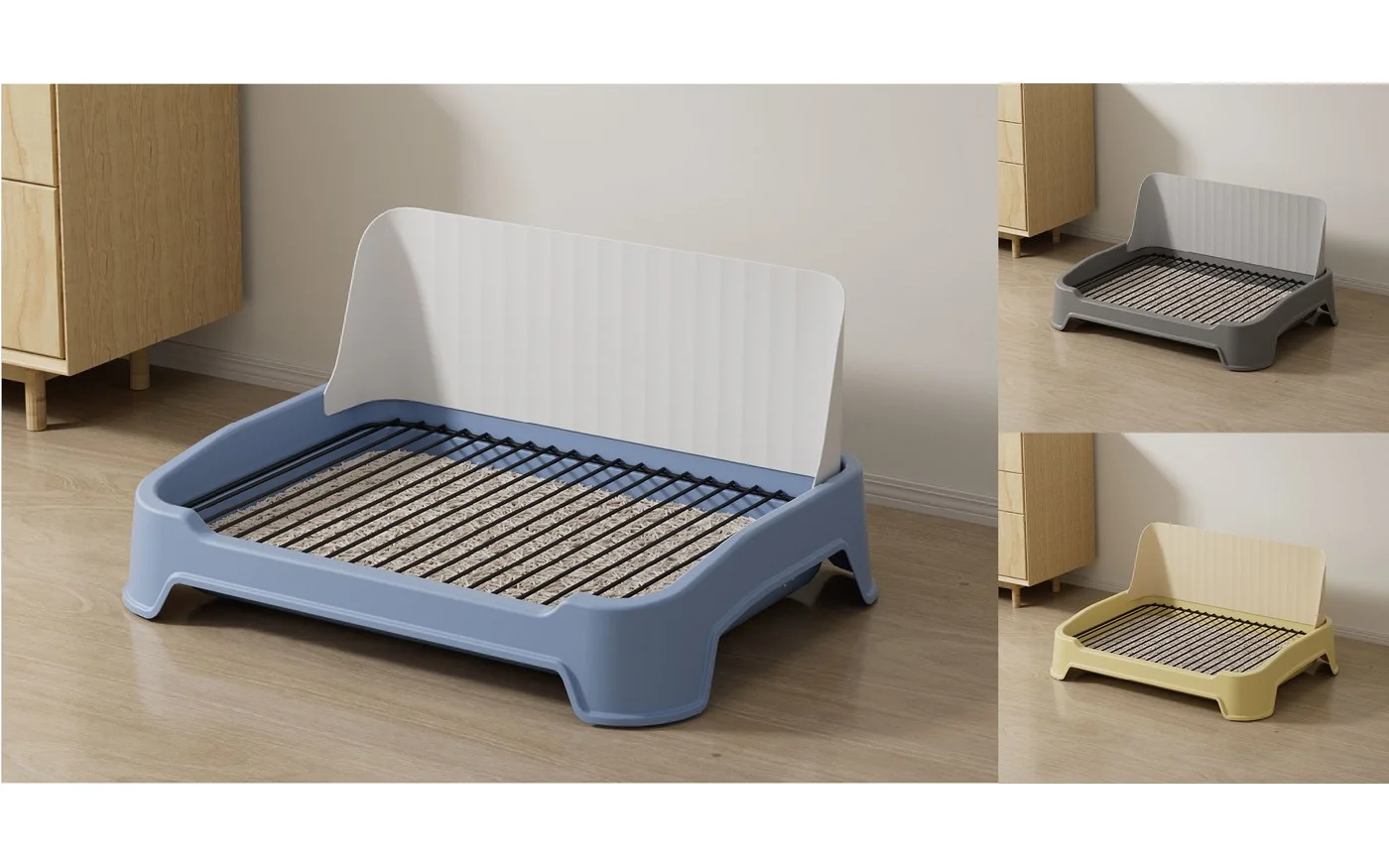
High-rail and splash-guard versions exist for males that lift a leg. If urine is ending up on the wall behind the tray, that is the version you want, not a bigger tray.
Cleaning, and the one thing that undoes the training
Rinse after each use if you can. A tray that smells of old urine teaches a dog to go somewhere else, and it teaches it fast — this is the most common reason a dog that was doing well regresses.
Wipe the base rather than soaking it, and lift the grate out to do it properly. Skip bleach; it is unnecessary here and the residue is unpleasant to an animal with that sense of smell.
The other thing that undoes it: a grate that has sagged or a corner that has lifted. A grate that catches a paw once will be avoided. If the mesh is no longer sitting flat, replace the grate — the tray itself is fine.
Referenced in this guide
Keep reading