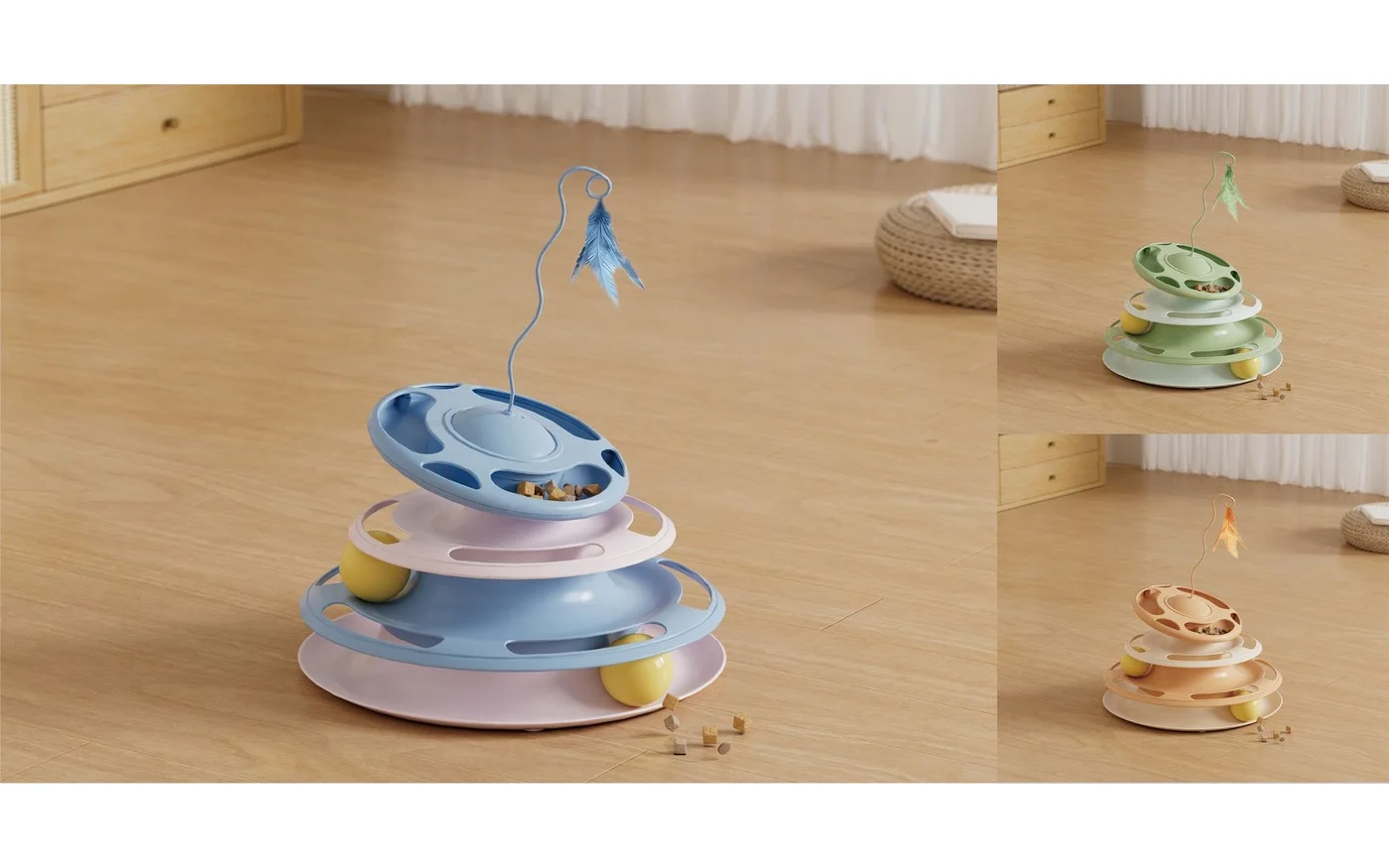
The Squeaky Wheel: Why Your Cat Quit Running and the Cleaning Habit Nobody Teaches You
Your cat didn't get lazy. A cat exercise wheel quietly collects a film of dust, fur, and nail debris that makes the track sticky and smell "not mine." Here's the honest cleaning routine that brings a silent, abandoned wheel back to life — and the one mistake that makes it worse.
November 7, 2026 · 7 min read · 1214 words
When a cat stops using an exercise wheel, most owners reach for the same two conclusions: the novelty wore off, or the cat got lazy. Both are almost always wrong. Cats don't do lazy, and they don't outgrow a good sprint. What they do is read a surface with a nose that is roughly fourteen times more sensitive than ours — and a running wheel, left uncleaned for even a few weeks, is telling them something we can't hear.
Here's the uncomfortable truth: the wheel didn't break. It got dirty, and your cat noticed long before you did.
Why a Cat Abandons a Wheel (It's Rarely Boredom)
The running surface of a cat wheel is the single most trafficked object in your home. Every sprint deposits something: dead hair, a fine dusting of litter particles tracked in from the box, microscopic skin flakes, and the tiny keratin shavings that flake off claws every time they dig in for traction. None of this is visible after a day. After a month, it forms a thin, slightly tacky film that changes how the track feels under the paws.
That change matters more than you'd think. A cat's paw pads are densely packed with touch receptors, and they use traction as a safety signal. When a surface stops gripping the way it used to — when it feels faintly greasy or slightly sticky — a cautious animal will simply stop trusting it. They don't announce the problem. They just stop running.
The smell is the second, subtler signal. Sweat glands sit between the paw pads, and every run leaves a residue that bacteria begin breaking down within hours. To us, a wheel smells like nothing. To a cat, an unwashed track smells like a stranger's territory — a mix of stale scent marks and low-grade bacterial bloom that reads as "not mine anymore." Faced with that, a healthy cat doesn't fight it; they find a cleaner place to burn energy, like the back of the sofa.
The cruel part is that we then misinterpret the whole thing. We decide the wheel was a waste of money, or that our cat is just "not a runner." Neither is true. We simply forgot that the wheel, like a litter box, is a surface the cat expects to be clean.
The Squeak Is a Debris Problem, Not a Lubrication Problem
The second classic mistake is the squeak. A wheel that starts groaning mid-run gets a blast of spray lubricant from a well-meaning owner, which feels like the obvious fix. It's usually the exact opposite of what the wheel needs.
The squeak in most cat wheels doesn't come from dry bearings. It comes from grit — a few grains of cat litter or dust worked into the gap between the track and its rollers, grinding away each time the wheel turns. Spray lubricant doesn't remove that grit; it gives it a sticky medium to cling to. Within a week, the squeak is back and louder, now with a film of oiled hair wound around the axle. You've traded a debris problem for a glue problem.
The honest fix for a noisy wheel is almost embarrassingly simple: clean the track and the roller channel first. A dry microfiber pass to lift the film, a damp cloth for the stuck-on residue, and a quick check of the roller groove for trapped litter. In most cases the squeak disappears because the actual cause — the grit — is gone. Lubricant should be a last resort, applied only to a genuinely dry bearing, and even then in a single small drop, not a spray. Less is more here, and in many wheels the bearings are sealed anyway, meaning the oil never reaches them and just gums up the track.
A Cleaning Routine That Actually Works
None of this requires expensive products or a weekend of labor. What it requires is frequency, because the film builds slowly and the cat notices it before you do. A rhythm of "quick wipe, weekly, deep clean monthly" covers nearly every wheel.
Quick wipe (every few days). Run a dry microfiber cloth over the running surface while you're refilling a water bowl or scooping the box. Ten seconds, no water, no product. This lifts loose fur and dust before it can compress into that tacky film. If you have multiple cats, do it daily — double the paws, double the residue.
Weekly clean. Dampen a soft cloth with warm water and wipe the full track, then follow immediately with a dry cloth so no moisture lingers on the surface. For stuck spots, a tiny drop of mild, unscented dish soap diluted in the water is plenty. Cats are sensitive to strong chemical scents; the last thing you want is to swap a "stale territory" smell for a "chemical warning" smell. If it smells strongly of lemon or bleach to you, rinse again.
Monthly deep clean. Most wheels let you lift or unclip the track from the base, which is where the real buildup hides — the roller channel, the axle ends, and the underside lip where hair wraps into little ropes. Clear that hair with a comb or your fingers, wipe the rollers, and vacuum any litter that's collected underneath the unit. This is also when you check for cracks in the track or wear on the rollers, because a wheel with a wobble will never feel safe no matter how clean it is.
On materials. Plastic and metal tracks clean identically; the difference is drying. Wood-based tracks should never sit wet, so always follow a damp wipe with a dry one. If your wheel has a carpeted or textured running pad, vacuum it weekly and spot-clean rather than soaking it, which can loosen the adhesive underneath.
What Not to Do (and When to Replace)
Three things consistently make a wheel worse. Don't use spray lubricant as a first fix — it's the debris, not the bearing. Don't use strong-smelling cleaners or leave a wet track, because both replace one bad smell with another. And don't scrub so hard you polish the traction texture off the surface; a glossy, smooth track is a slippery track, and slippery is the fastest way to make a cat give up for good.
There is also a point where cleaning stops being enough. If the track has developed a visible crack, if the wheel wobbles even after you've cleared the roller channel, or if the running surface has gone slick and smooth in the middle, the structure itself is the problem. A cat that keeps slipping will not keep trying. At that stage, replacement is the kind option — not because you failed at maintenance, but because the wheel has simply reached the end of its working life.
The takeaway is gentler than it sounds. A cat who abandoned a wheel isn't rejecting exercise, and they aren't ungrateful for the gift. They're just asking, in the only language they have, for the thing they ask for everywhere else in your home: a clean, trustworthy surface. Give them that, and most of them will come back — padding in quietly one evening, sniffing the fresh track, and taking a cautious first step before they remember how good it feels to run.
Referenced in this guide

Keep reading
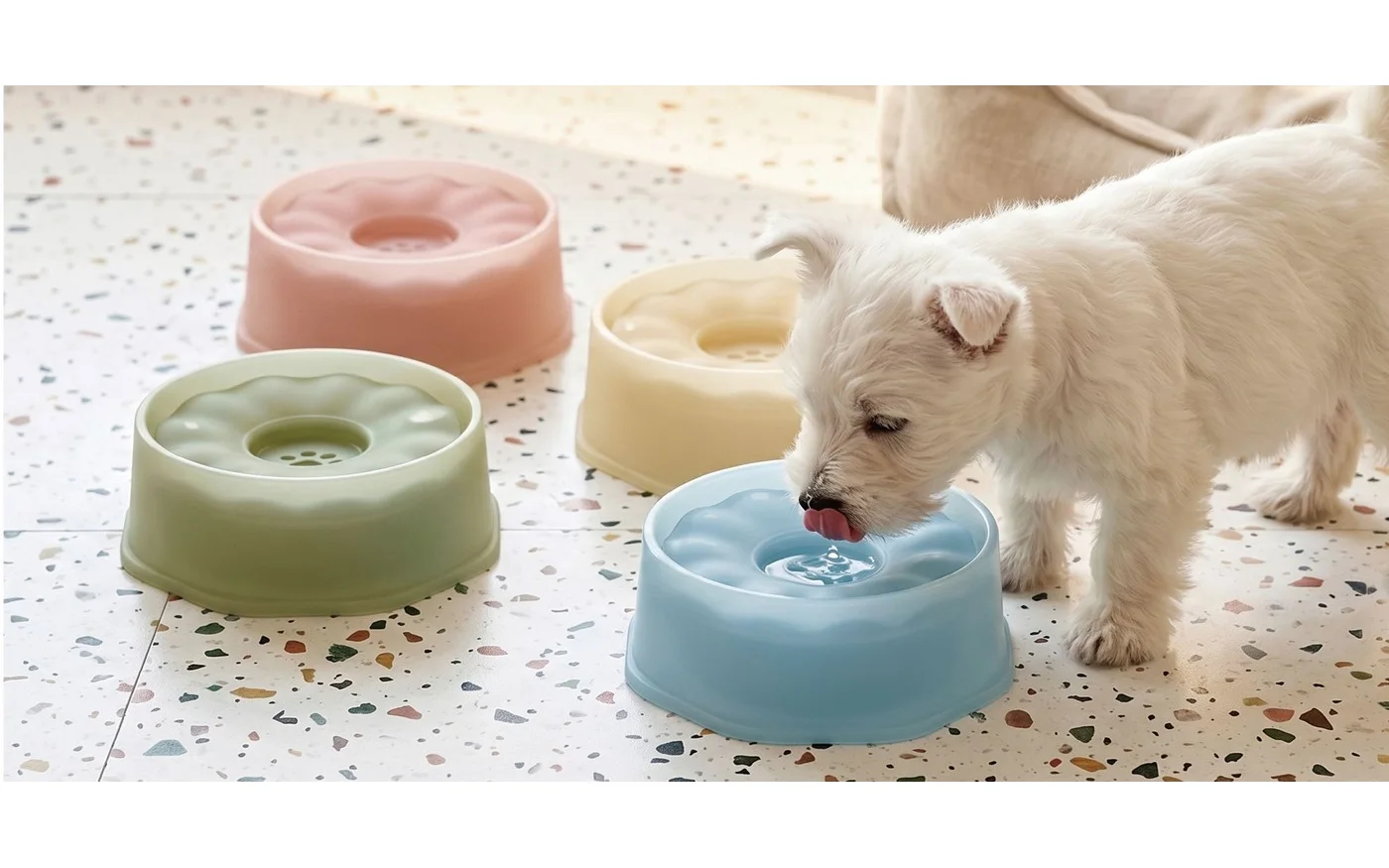
Dog Feeding, Buying Guide
The Slow Feeder Trap: Why Most 'Anti-Gulp' Bowls Fail, and How to Pick One That Actually Slows Your Dog Down
Automatic feeders
How to Clean an Automatic Pet Feeder — and Why the Bowl Was Never the Problem
Slow feeders