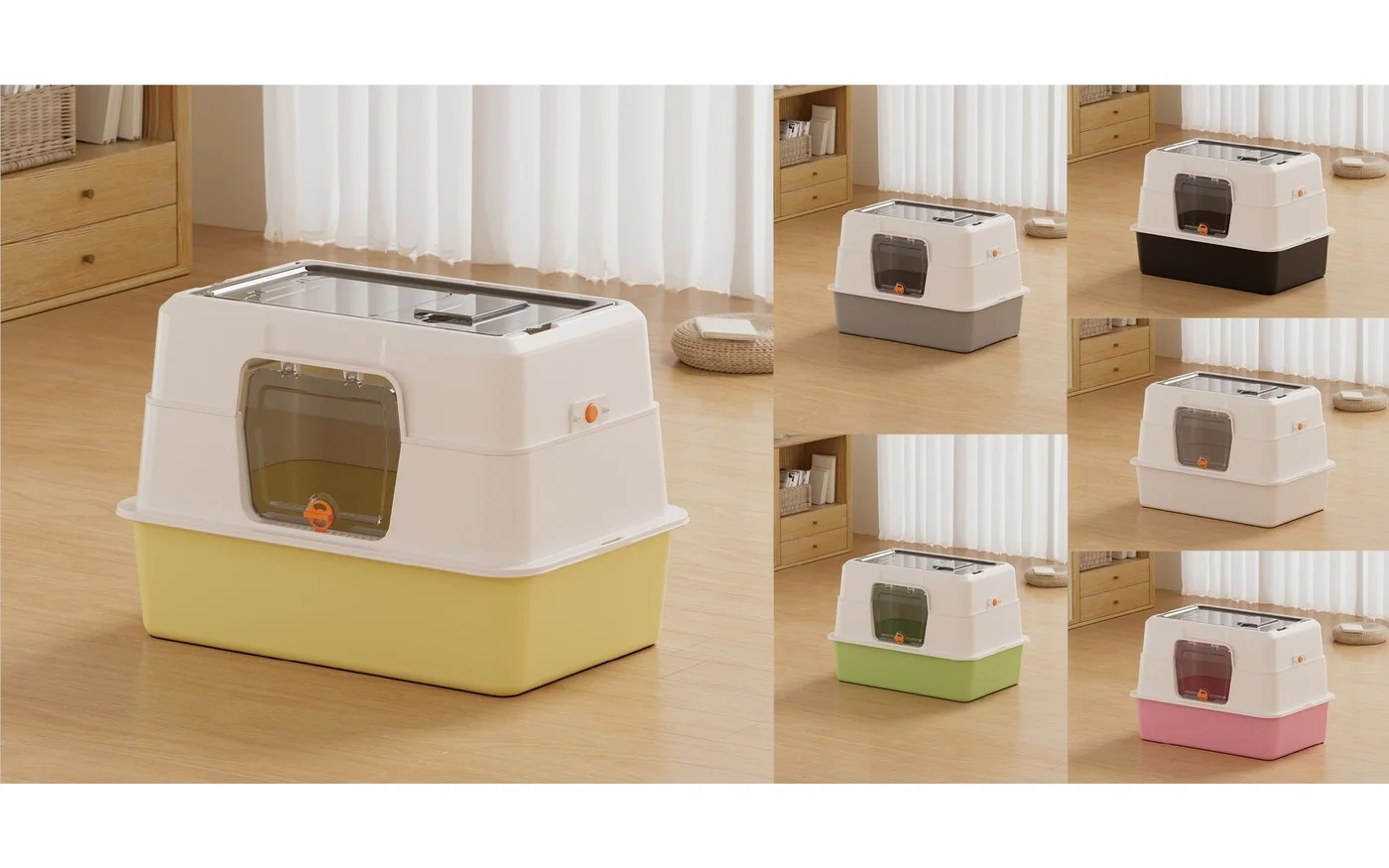
The Cat's Bathroom Dilemma: Why Your Litter Box Setup Might Be Causing Stress
It's not just about cleanliness. The placement, enclosure design, and very 'feel' of your cat's restroom can be major sources of anxiety. Learn how to optimize their 'bathroom' for maximum feline peace.
October 31, 2026 · 7 min read · 789 words
The Psychology of the Perfect Porcelain Throne
When most pet owners think about litter boxes, they think of scooping, odors, and maybe how low the sides are. They think of maintenance. But for a cat, the litter box is not merely a receptacle; it is an extension of their private, most vulnerable space. And like any private sanctuary, its environment matters immensely. If your cat is exhibiting inappropriate elimination, or simply acting stressed around their litter box, the problem is rarely just 'the litter' or 'the cat.' More often, it is a matter of environment, placement, or design that is speaking a silent language of anxiety. The perfect 'bathroom' for your feline friend is not just clean—it must feel safe, undisturbed, and natural.
Is It Placement or Personality? Why Location is Everything
We are conditioned to place the litter box in the most convenient spot for us—usually a corner near the laundry room or in a utility closet. But convenience is the enemy of feline peace. Cats are creatures of routine, territory, and stealth. They are also deeply sensitive to changes in their personal domain.
The "Blind Spot" Myth: Many owners place boxes in highly trafficked areas, believing it makes cleaning easier. In reality, a litter box in a hallway or a corner with high foot traffic constantly disrupts the cat's sense of privacy. They view their litter box as a retreat. If the area is constantly interrupted by human motion, the box becomes a source of mild, continuous stress. Consider placing one box in a quiet, semi-secluded spot, like a corner of a spare room or a niche, away from high-traffic zones. This doesn't just improve sanitation; it signals to the cat that this space is theirs.
The Connection to Danger: Furthermore, cats are sensitive to strong smells from neighboring rooms—dishwashers, garbage disposal areas, or even heavily scented air fresheners. A highly scented environment, intended for human olfactory enjoyment, is often interpreted by a cat as a chemical threat. If your cat is sensitive, place the boxes away from any strong cleaning chemicals or scented diffusers.
Beyond Aesthetics: The Hidden Language of Enclosures
The sheer variety of litter box designs available—open, enclosed, covered—can be overwhelming, and often, the 'best' one on a product page is simply the most aesthetically pleasing to the human eye, not the cat's body. Understanding the cat’s physical needs versus the owner’s clean-sweep ideal is key.
Open vs. Covered: A Behavioral Spectrum: While open boxes allow for maximum airflow (good for odor control for us), they offer zero privacy. Some indoor cats, especially those who are naturally timid or prone to mild stress, prefer the feeling of being tucked away. A partially enclosed box might give the illusion of openness while providing enough physical barrier to restore a sense of security. This is where 'selective' enclosures shine—those that offer a sense of boundary without completely trapping the pet inside.
The Single-Box Solution Myth: A common piece of advice suggests that having 'one box per cat plus one extra' is mandatory. While this advice holds merit in multi-cat households (to ensure redundancy and prevent resource guarding), it’s often more about spreading the resources than increasing the number. If your cat has a large, sprawling territory, you may need multiple stations, placed in different, quiet zones of the house, giving them options for their most private moments.
Listening to the Subtle Signals: Red Flags of Distress
Sometimes, the litter box problem is not the box at all; it’s a symptom. The act of eliminating inappropriately (e.g., urinating outside the box, or using a new, inappropriate spot) is often the cat's way of communicating distress, discomfort, or even medical issues.
If you notice any of the following, do not just clean the area; act like a detective:
- Sudden Change in Habits: A sudden shift in bathroom habits, even a single instance, warrants immediate attention—vet visit first.
- Physical Signs: Are the claws damaged? Is the cat reluctant to get into the box? (This can indicate pain.)
- Environmental Stressors: Have you recently moved furniture? Started a new, loud vacuum cleaner? Adopted a new person? Cats are incredibly attuned to shifts in their established norm.
The fix for these situations often involves a combination of medical clearance, environmental enrichment (toys, new cat furniture, vertical climbing space), and the careful re-optimization of the box experience itself.
By viewing the litter box as a behavioral science challenge, rather than a sanitation task, we shift our focus from the 'what' to the 'why.' Creating a sanctuary, not just a disposal unit, is the most profound act of cat care.
Disclaimer: This article provides generalized behavioral guidance. Always consult a veterinary professional for diagnosing medical issues.
Referenced in this guide

Keep reading
pet care, insurance, prevention
The Insurance Myth: Why Pet Insurance Isn't Always a Magic Bullet
litterbox, cat care, feline behavior
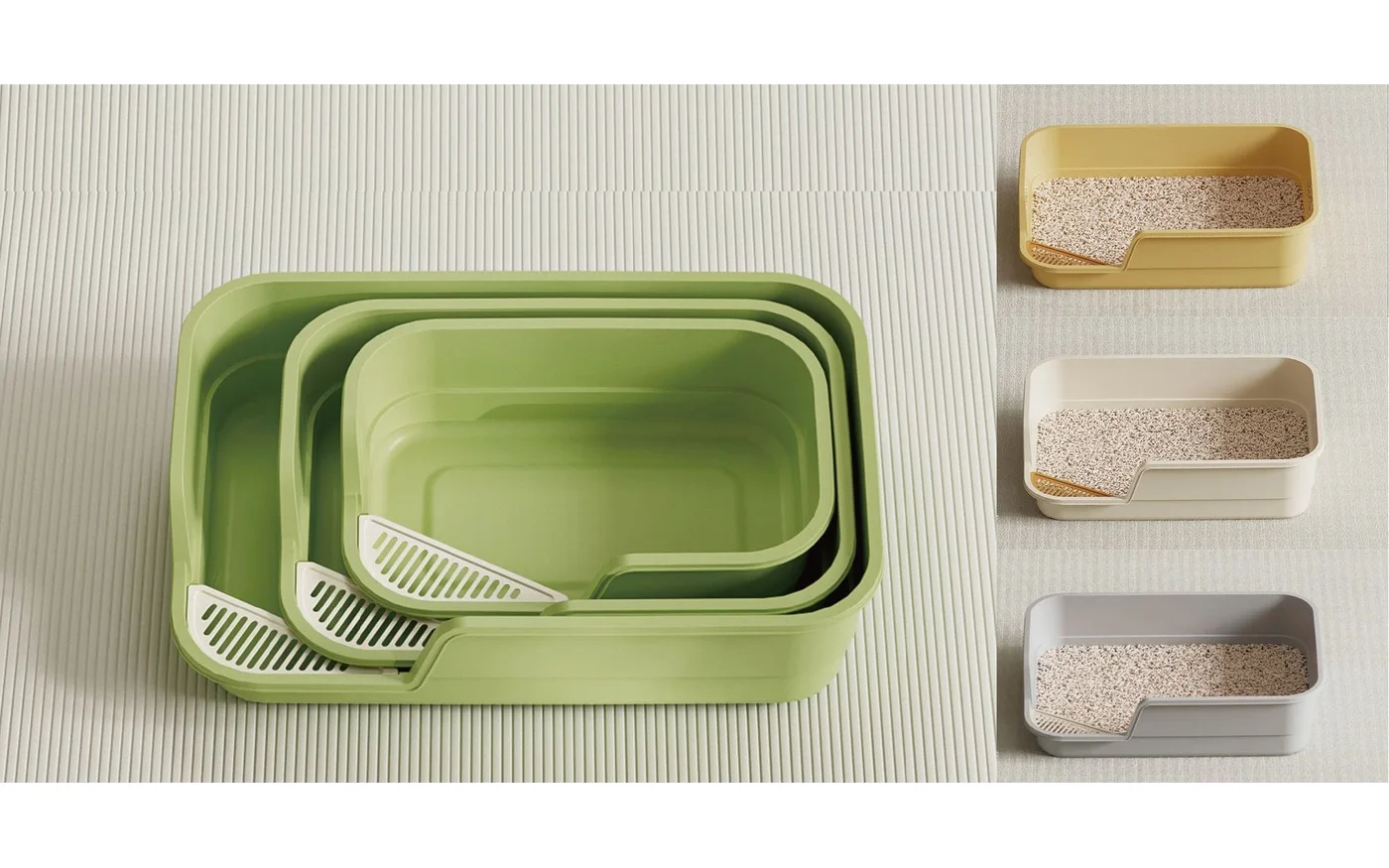
The Truth About Litter Boxes: Which Design Really Works for Your Cat (And Why You Might Be Wrong)

#petmaterials #petcare #pethealth