The Silent Language of Litter Boxes: What Your Cat's Habits Really Mean
A deep dive into why your cat 'accidents' happen and how to interpret litter box signals.
October 30, 2026 · 6 min read · 703 words
The Silent Language of Litter Boxes: What Your Cat's Habits Really Mean
When you look at a ruined patch of carpet, a messy litter box, or a cat who seems to be waging war on the side of the house, the immediate emotional reaction is usually exasperation. You clean, you disinfect, you buy more supplies, and you try to remember that this is supposed to be a natural process. But when "natural process" starts looking suspiciously like a hostile act of architectural vandalism, you wonder: are we failing them?
The truth is, your cat isn't intentionally spiteful. Their behaviors—the inappropriate elimination, the excessive scratching, the mystery stains—are actually a highly complex form of communication. They are speaking a language that, frankly, feels more like high-concept art performance than simple pet ownership. Your job isn't just cleaning up the mess; it's finally becoming a cryptographer of feline existential dread.
Scratching: Not Just for Nails
The single biggest misconception we face is that scratching is simply a nail-maintenance exercise. While keeping the paw pads healthy is part of it, reducing the behavior to "just needing a good scratch" is an insult to the sophistication of the feline mind.
Scratching is, first and foremost, a marking ritual. It’s about territory, it's about scent deposition, and it’s about releasing pent-up energy. When a cat scratches, they are doing three things simultaneously:
- Physical Stripping: They are removing the dead outer layer of their claws, making them sharp and efficient for climbing.
- Scent Marking: The pads of their paws are covered in scent glands, and the act of raking and stretching deposits their unique, musky scent signature onto the object.
- Psychological Release: A good, deep scratch is intensely satisfying. It’s physical therapy for their entire life structure.
When you notice them targeting an expensive throw rug instead of the designated scratching post, the problem is rarely the cat's naughtiness. It’s almost always a failure in the environment, a mismatch in the material, or an opportunity for more satisfying scratching elsewhere.
The Mystery of Inappropriate Elimination
The "accidents"—the pee in the bedding, the clumped mess on the tile—are almost always signs of distress, not rebellion. Think of the litter box as a cat's miniature, highly sensitive throne. If the throne isn't perfect, they will find a way to protest.
The most common culprits are the medical and the environmental.
First, rule out the vet. Urinal infections, kidney stones, and urinary tract diseases are the leading causes of sudden litter box avoidance. A change in urination frequency, volume, or even color should prompt an immediate vet visit, even if the cat seems fine otherwise.
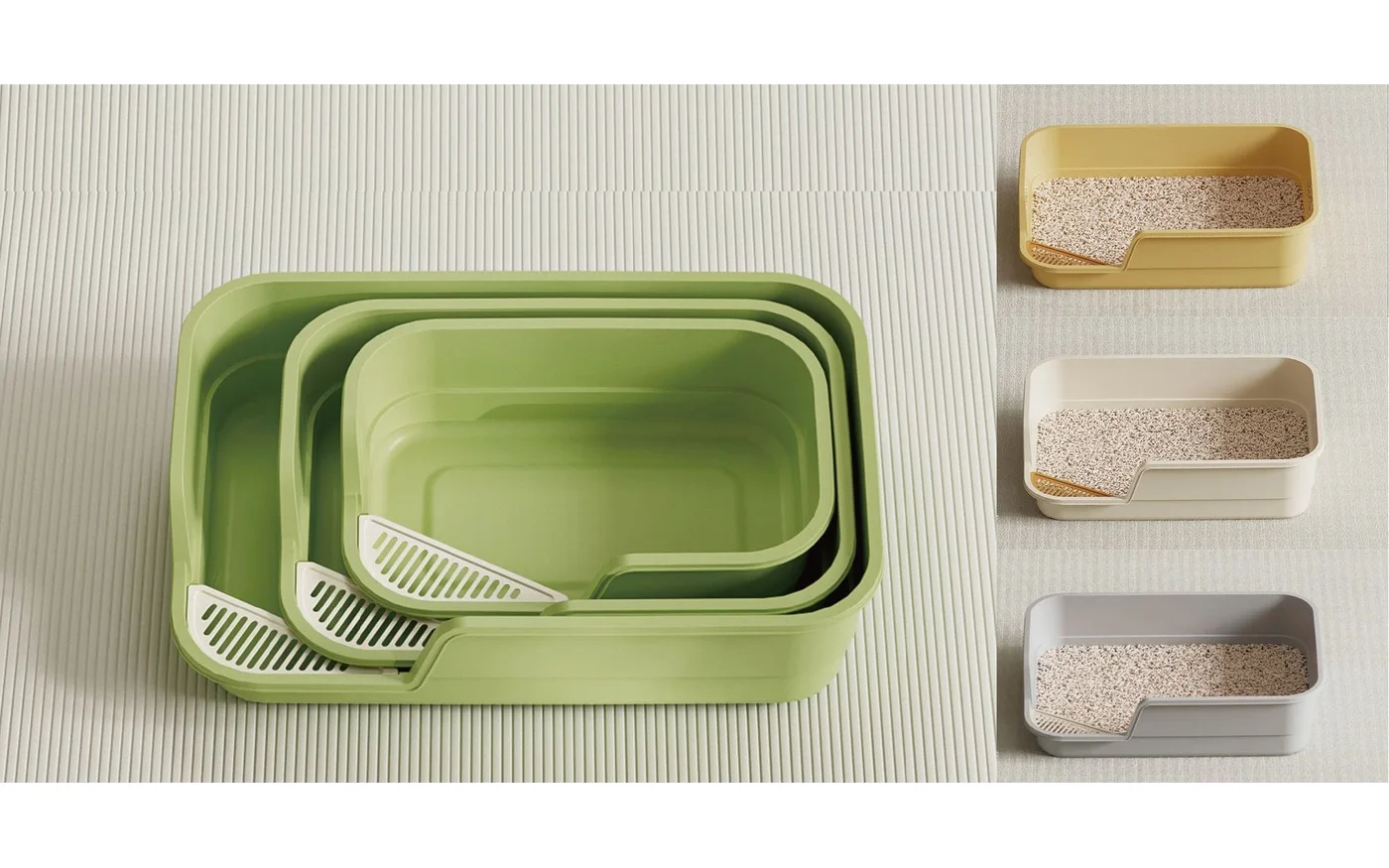
Second, scrutinize the Box: Is the box big enough? Many multi-cat households, or even single cats, underestimate the required cubic footage. Is the substrate actually pleasing? Clay litter that doesn't clump properly or has a sharp, chemical smell can be a profound psychological insult. Consider an unscented, fine, natural material.
Third, the Viewing Angle: Cats are experts at detecting suboptimal environments. Are the boxes placed in high-traffic, noisy, or drafty areas? The box needs to feel like a secure, private sanctuary. Sometimes, just moving it into a quiet corner, even if it means sacrificing a little convenience for you, can be the behavioral miracle cure.
More Than Just Elimination: What the Litter Box Tells You
The litter box is a biological dashboard. It doesn't just tell you when they need to go; it tells you about their perceived safety, their stress levels, and their perceived comfort level with the household structure.
- If they start ignoring the box entirely: Stress, pain, or medical issue.
- If they exclusively use one corner: Possible resource guarding or anxiety about the layout.
- If the litter is scattered/disarrayed: The cat might feel cornered or pressured, wanting more space to express themselves.
Treating litter box issues is less like cleaning up a mess and more like mediating a complex emotional custody battle. It requires the patience of an archaeologist and the keen observation of a wildlife ethologist. By understanding the why, you move from being a mere cleaner to a true behavioral partner, and that relationship is worth far more than any spotless floor.
Keep reading